
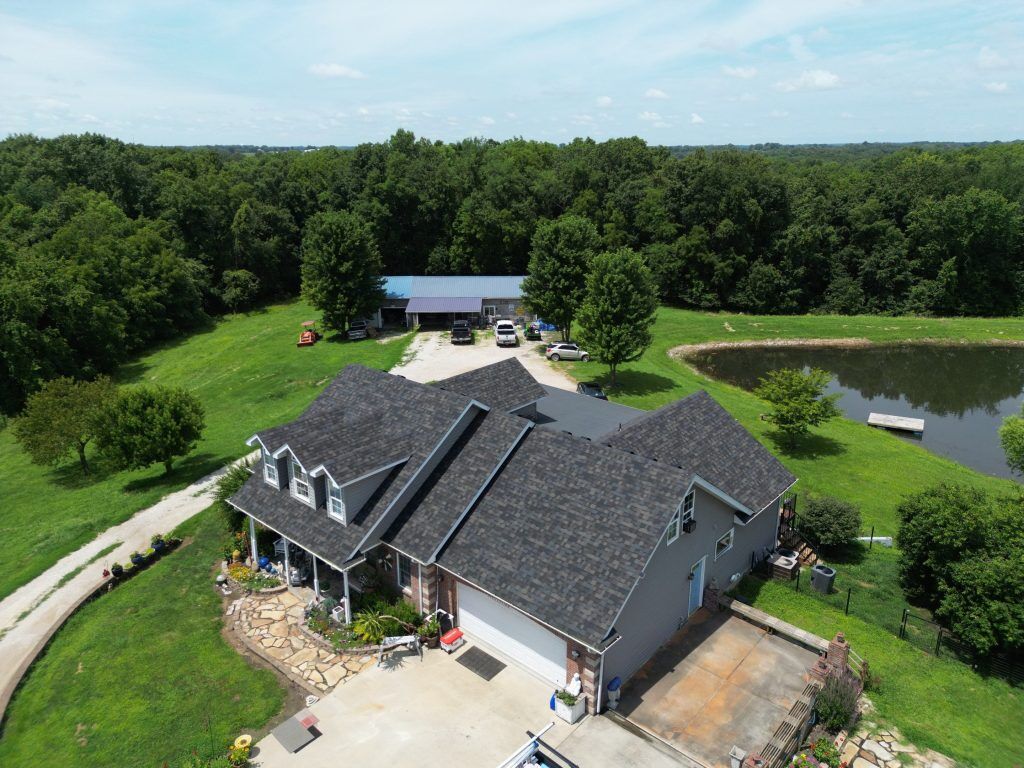
Yes, you can put a new roof over existing shingles in many cases, but only if your current roof meets specific conditions. This process, often called a roof overlay or roof-over installation, involves nailing a new layer of shingles directly on top of your old ones instead of stripping the roof down to the deck. It sounds like an easy way to save money, but it isn’t the right call for every home, and Missouri’s weather adds a few extra wrinkles to the decision.
To see what this process actually looks like on a real roof, watch this quick walkthrough from our team explaining how a roof-over installation works and when we recommend it instead of a full tear-off.
What Is a Roof Overlay, Exactly?
A roof overlay is the installation of a new layer of shingles directly over your old, existing shingles rather than removing them first. Instead of tearing the current roof down to the roof deck, a professional roofer installs new materials on top of the base layer that’s already there.
This differs from a full roof replacement, where every layer of old material is removed, the roof deck is inspected and repaired if needed, and new underlayment and shingles go on from scratch.
Can You Put a New Roof Over Existing Shingles? The Short Answer
The short answer is yes, but with real limits. Building codes, the condition of your current roof, and your local climate all factor into whether an overlay is even an option.
A few conditions generally need to be true:
- Your roof currently has only one layer of shingles, not two
- The roof deck is in good condition, with no soft spots or water damage
- The existing shingles lie flat, without significant curling, cupping, or buckling
- There’s no evidence of moisture damage, mold, or structural issues underneath
If your roof fails any of these checks, a roofing overlay isn’t a safe option, and a professional roofer will likely recommend a full tear-off instead.
Local Building Codes Matter
Most jurisdictions that follow the International Residential Code limit roofs to a maximum of two layers of asphalt shingles, and the code allows a maximum of two layers of asphalt shingles before a full tear-off is required.
If your home already has two layers of old shingles, code requires a full tear-off before new materials go on. It’s worth confirming current requirements with your local building department, since some Missouri municipalities apply additional restrictions.
Pros and Cons of Roofing Over Existing Shingles
The Advantages
An overlay installation can be appealing for a few practical reasons:
- Lower upfront cost: Skipping tear-off and disposal cuts labor costs and dumpster fees
- Faster installation process: Without demolition, the project timeline shrinks
- Less mess: No stripped-off old materials piling up in your yard
The Drawbacks
Roofing over existing shingles also comes with real trade-offs that matter for Missouri homes:
- Hidden damage stays hidden. An overlay covers the roof deck, which means soft spots, water damage, or structural issues underneath won’t get caught until they’ve caused bigger problems.
- Added weight. A second layer of shingles adds significant weight to your roof structure, which matters during Missouri’s heavy snowfall and ice buildup.
- Shorter lifespan. An uneven surface underneath can cause the new layer to wear unevenly and age faster than a properly installed roof over a clean deck.
- Reduced energy efficiency. Two layers of shingles can trap heat retention in the attic space, especially without proper ventilation like ridge vents.
- Manufacturer warranty limits. Some manufacturer warranties are reduced or voided entirely when shingles are installed over an existing layer instead of a clean roof deck.
Roof Overlay vs. Full Tear-Off: Which Is the Better Option?
For most Missouri homeowners, a full roof replacement is the better long-term choice, even though it costs more money upfront. Here’s why:
A full tear-off allows your roofer to inspect the entire roof structure, address any soft decking or moisture damage, and install new underlayment for proper protection against Missouri’s freeze-thaw cycles. It also typically qualifies for stronger manufacturer warranties and holds up better against high winds and storm damage, both of which are common across Central Missouri.
An overlay might make sense if your roof is younger, has only one clean layer, and you’re working with a tighter budget for a shorter-term fix. But if your current roof shows any signs of aging, such as curling shingles, granule loss, or soft spots, a roof inspection is the right first step before deciding either way.
What Happens If You File a Roof Insurance Claim?
If your roof has storm damage from hail or wind, an insurance company will typically require a full assessment of the roof deck and structure, not just the visible shingle layer.
Overlaying shingles over storm-damaged materials can complicate an insurance claim, since adjusters need to evaluate the condition of the original roof to determine coverage. If you’re dealing with recent storm damage, it’s worth getting a professional inspection before making any decisions about repair versus replacement.
How to Know Which Option Is Right for Your Home
The best way to find out if your roof qualifies for an overlay is a professional inspection. A local roofing contractor can check your roof deck, count existing layers, and assess overall condition to give you an honest recommendation, whether that’s a roof repair, an overlay, or a complete replacement.
Homeowners in older homes across Central Missouri, including Ashland, Centralia, Fulton, and Jefferson City, often find that decades of Missouri weather have already pushed their roofs past the point where an overlay makes sense. An inspection removes the guesswork.
The Bottom Line for Missouri Homeowners
A roof overlay can work, but it’s rarely the safest long-term choice, especially in a region that deals with hail, high winds, and freeze-thaw cycles every year. The only way to know for sure whether your roof qualifies, or whether a full replacement is the smarter investment, is to have a professional take a real look at what’s happening under those shingles.
That’s exactly what a free inspection is for. Resolve Roofing has been walking Central Missouri homeowners through this exact decision for years, and we’ll always give you a straight answer, not just the one that’s easiest to sell.
If you’re ready to find out where your roof stands, schedule your free 24-hour inspection.
Frequently Asked Questions
Does adding a second layer of shingles affect my home's resale value?
It can. Buyers and home inspectors often view a roof overlay as a short-term fix rather than a long-term solution, and some lenders may flag it during appraisal. A full tear-off with a documented warranty tends to hold more value at resale.
How long does a roof overlay typically last compared to a new roof?
An overlay usually lasts several years less than a full replacement because it’s installed over an uneven surface and can trap heat and moisture. A properly installed full roof replacement generally offers the longest lifespan.
Can metal roofing be installed over old asphalt shingles?
In many cases, yes. Metal roofing systems are often lighter and can be installed over an existing asphalt shingle roof, but this still depends on the condition of the roof deck and local building codes.
Is a roof overlay a good idea for a home with two layers of shingles already?
No. Once a roof has two layers, most building codes require a full tear-off before any new roofing material can be installed. A professional roofer can confirm how many layers your roof currently has.
