
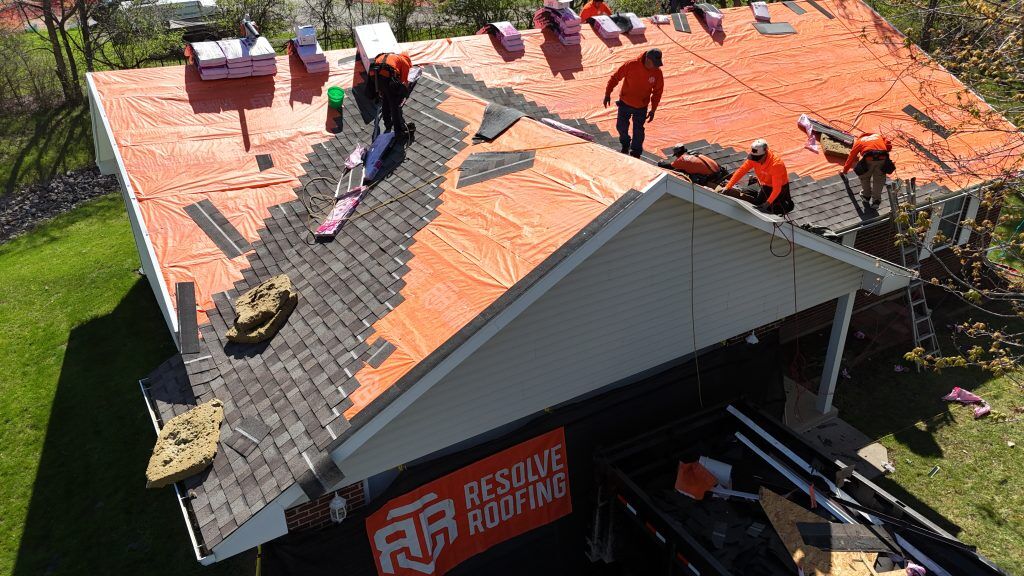
Can you replace a roof in the rain? Generally, a roof replacement should not continue during steady rain. Wet decking can create problems beneath new roofing materials, shingles become slippery, and an exposed roof can allow water into your home.
For homeowners in Columbia, Missouri, rain is something that has to be considered when scheduling a roof replacement, especially during spring and periods of summer thunderstorms. A passing shower does not necessarily ruin a roofing project, but crews should protect exposed areas and wait for safe, dry conditions before moving forward.
Missouri weather does not always cooperate with a roofing schedule. A morning that looks clear can turn into an afternoon of rain, and a forecast made several days earlier can change before installation day arrives.
If you are planning a project, here is a guide on what to expect during your roof replacement in Columbia, MO can help you understand the process before installation day.
Can You Replace a Roof in the Rain Safely?
Roofing work becomes more difficult and dangerous when surfaces get wet. Shingles, underlayment, ladders, and exposed decking can become slippery quickly, particularly on roofs with a steeper pitch.
There is also the house itself to consider. During replacement, the existing shingles are removed so the decking underneath can be inspected. Damaged wood may need to be replaced before underlayment and new roofing materials go down.
That process temporarily removes some of the layers that normally keep rain out of your house. Our breakdown of the layers of a roof explains how the different parts of the roofing system work together to protect the home.
If steady rain begins, continuing to tear off roofing can expose more of the home than necessary. Crews will generally stop work and secure the areas they have already opened instead of trying to rush through an installation while the roof is wet, and the full guide to rain delays during a tear-off walks through what that means for your home and your schedule.
Why Dry Roof Decking Matters
Once the old shingles come off, contractors can see the condition of the roof deck. This layer provides the surface that supports the roofing system, so it needs to be in suitable condition before new materials are installed.
If rain reaches exposed decking, roofers may have to give it time to dry.
Covering wet wood too quickly can trap moisture underneath the new roofing system. Over time, excess moisture may contribute to wood deterioration or mold and can create problems that homeowners cannot easily see from inside or outside the house.
Drying time depends on several factors, including how much rain fell, humidity, temperature, sunlight, and airflow.
On a hot, sunny Columbia afternoon, a roof may dry relatively quickly after a brief shower. After hours of heavier rainfall on a humid day, more drying time may be necessary.
Underlayment Also Needs Proper Conditions
Underlayment sits between the roof deck and the finished roofing material. It provides another layer of protection against moisture that gets beneath shingles or other exterior materials.
Some modern underlayment products can tolerate temporary weather exposure, but that does not mean installation should continue normally during active rainfall.
The roof surface still needs to be prepared according to the roofing material manufacturer’s requirements. Contractors should check the decking and underlayment before moving forward rather than simply covering wet areas to stay on schedule.
What Happens If Rain Starts in the Middle of the Job?
This is often a bigger concern for homeowners than rain before the project begins.
If the forecast calls for rain before work starts, the project can simply be rescheduled. When rain arrives after the old shingles have already been removed, crews have to protect the exposed sections.
Roofers commonly plan tear-off around the amount of work they believe they can complete or safely cover that day. If afternoon storms are possible, for example, they may avoid stripping large sections of the roof all at once.
When unexpected rain arrives, a crew may:
- Stop removing additional roofing material
- Secure loose shingles and materials
- Cover exposed areas with tarps or other temporary protection
- Pay extra attention to valleys, penetrations, chimneys, and other potential water entry points
- Wait for the roof to dry before returning to installation
A short delay is usually much easier to deal with than water entering an exposed section of the home.
What If the Old Shingles Are Already Off?
Seeing dark clouds after part of your roof has been stripped can be stressful, but roofers plan for the possibility of changing weather.
Exposed sections can be temporarily covered when conditions prevent the crew from continuing. The goal is to prevent water from reaching the roof deck and interior until installation can resume.
The size of the exposed area matters. So does the type of storm approaching.
A quick summer shower requires a different response than several hours of thunderstorms. If forecasts show widespread or prolonged rain around Columbia, a contractor may decide not to begin tear-off that morning at all.
If a section of the roof is already exposed and bad weather is moving in, temporary protection may be needed. Resolve Roofing’s guide on how to tarp a roof covers the role tarping can play in protecting a damaged or open roof until permanent work can be completed.
Columbia Weather Can Change a Roofing Schedule
Columbia experiences precipitation throughout the year, and thunderstorms are common during the warmer months. Spring weather can also bring periods when rain makes outdoor construction schedules harder to predict.
That does not mean homeowners need to avoid replacing a roof for an entire season. It does mean that flexibility helps.
Roofers may check the forecast several days before a scheduled project, again the night before, and once more on the morning work is expected to begin. Radar can also be monitored throughout the day when storms are possible.
The percentage chance of rain is only one part of the decision. Timing matters too. A small chance of a late-evening shower may have little effect on a project scheduled to finish hours earlier. A line of thunderstorms expected around lunchtime could make starting a major tear-off that morning a poor choice.
For homeowners thinking about when to schedule a project, we have also covered strategic timing for roof replacement in Columbia, MO.
What Happens If Rain Is Forecast for Installation Day?
Do not be surprised if your contractor changes the schedule.
Homeowners sometimes become frustrated when the weather outside looks fine in the morning but roofing work is postponed. Contractors, however, have to consider what conditions could look like several hours later.
Once hundreds or thousands of square feet of old roofing have been removed, there is no quick way to put the old shingles back.
If thunderstorms are expected later in the day, postponing the project before tear-off may be the safer choice.
A weather delay can mean rearranging work schedules, parking plans, or other arrangements around your house. It is inconvenient, but it is usually better than starting work when there is not a reasonable window to get the roof protected before rain arrives.
If timing is one of your biggest concerns, the company’s guide on how long a roof replacement takes is a helpful companion read.
Can Roofing Continue Right After the Rain Stops?
Not always.
The rain stopping does not automatically mean the roof is ready for installation. Roofers need to consider whether the work surface is safe and whether exposed materials have dried enough to continue.
Decking that absorbed water may need additional drying time. Wet shingles and underlayment can also remain slippery after the clouds clear.
Humidity plays a part here. A sunny, breezy afternoon may dry surfaces faster than an overcast day with high humidity.
Roofers should inspect the work area rather than relying on a set waiting period.
Does Rain Damage New Roofing Materials?
Roofing materials are made to handle rain once they are installed correctly as part of a complete system. The concern during installation is that all of those protective layers are not yet in place.
Asphalt shingles, for example, are designed to shed water once installed. During the job, however, rain can make both loose and installed shingles slippery.
There is also a sealing process that takes place after installation. Resolve Roofing’s article on the sealing dynamics of asphalt shingles explains more about how shingles seal after they are placed on the roof. Metal roofing handles rain well once installed, but wet metal panels can be extremely slick during installation.
Regardless of the roofing material, manufacturer installation requirements should be followed rather than treating every product the same way.
What About a Little Drizzle?
Light rain may not seem like enough to stop a major construction project, but conditions on top of a house can be different from conditions at ground level.
Even a small amount of water can make certain roofing surfaces slick. Wind can also push drizzle beneath materials or toward exposed areas.
There is no single amount of rain that determines whether roofing work should continue. Contractors have to consider several things at once, including:
- Roof pitch
- Type of roofing material
- Amount and duration of rainfall
- Wind conditions
- Stage of tear-off or installation
- Condition of the roof deck
- Crew safety
Sometimes work can resume soon after a brief shower. Other times, the roof needs several hours to dry.
How Long Can Rain Delay a Roof Replacement?
A weather delay could last an hour, a day, or several days.
A short shower early in the afternoon might only pause work temporarily. Several hours of steady rain could push the remaining installation into the next day. A stretch of storms moving through mid-Missouri can cause a longer delay.
The size and shape of your roof also affect the schedule. A relatively simple roof may be easier to protect and complete in sections than one with numerous valleys, dormers, skylights, chimneys, or intersecting rooflines.
Homeowners should also remember that the original project timeline is an estimate. Finishing exactly when expected is less important than giving wet surfaces enough time to dry and installing the roof correctly.
Is There a Best Time of Year to Replace a Roof in Columbia?
There is no month that guarantees perfect roofing weather in Columbia. Rain can occur throughout the year, while summer brings heat and thunderstorms and winter can bring cold temperatures and occasional snow or ice.
Rather than trying to find a completely rain-free season, homeowners can focus on the condition of their current roof.
If shingles are missing, leaks are developing, or the roof is reaching the end of its service life, waiting months solely because rain is possible may allow existing damage to get worse.
If you are unsure whether your roof has reached that point, Resolve Roofing’s guide on how to know when it’s time to replace your roof covers several signs homeowners can watch for.
Questions to Ask Before Installation Day
A few weather-related questions can help you understand how your roofing contractor handles changing conditions:
- What happens if rain is forecast on my scheduled installation day?
- How much of my roof will be torn off at once?
- How will exposed areas be covered if rain develops unexpectedly?
- What happens if the decking gets wet?
- How do you decide when the roof is dry enough to continue
- Will I be contacted if the schedule changes because of weather?
You should know what to expect before the first shingles come off. If you are still comparing contractors, Resolve Roofing has a useful list of questions to ask roofing companies in Columbia, Missouri.
Why Waiting for Dry Weather Is Usually Worth It
Roof replacement already involves plenty of moving parts. Trying to beat an approaching storm should not be one of them.
Dry conditions give crews a safer surface to work on and allow contractors to inspect decking, install underlayment, place flashing, and complete the finished roofing system without unnecessary moisture getting involved.
For Columbia homeowners, occasional weather delays are simply part of scheduling exterior work in Missouri. If rain pushes your project back, that does not necessarily indicate a problem with the contractor or the project. In many cases, stopping work shows that the crew is paying attention to conditions instead of trying to rush through the job.
The goal is not to finish the roof as quickly as possible. It is to have a roof that was installed correctly and is ready for the next Missouri rainstorm.
Schedule Your Columbia Roof Replacement With Resolve Roofing
If your roof is leaking, missing shingles, or showing signs that replacement may be approaching, Resolve Roofing can help you determine the next step. Contact Resolve Roofing to schedule an inspection and discuss roof replacement options for your Columbia, MO home.
