
Understanding the structure of your roof is crucial, not only for homeowners contemplating roof replacement or repairs but also for those interested in enhancing their home’s durability and aesthetic appeal. A well-designed roof does more than just protect your home from the elements; it contributes to energy efficiency, improves curb appeal, and can even affect your property’s overall value. This guide delves into the anatomy of a roof, highlighting key components and their roles in ensuring your home remains safe, comfortable, and visually appealing.
Key Elements of a Roofing System
A roofing system is composed of several elements, each serving a specific function. Familiarizing yourself with these components can provide valuable insights into the complexity of your roof’s structure and functionality.
Roof Decking
The foundation upon which all other roofing materials are installed, roof decking is typically made from wood or plywood. It provides structural support and is the base layer for underlayment and shingles or other roofing materials.
Underlayment
Positioned directly atop the roof decking, the underlayment is a water-resistant or waterproof barrier material. Its primary purpose is to provide an additional layer of protection from moisture, especially in scenarios where shingles alone might not prevent water infiltration.
Shingles or Roof Covering
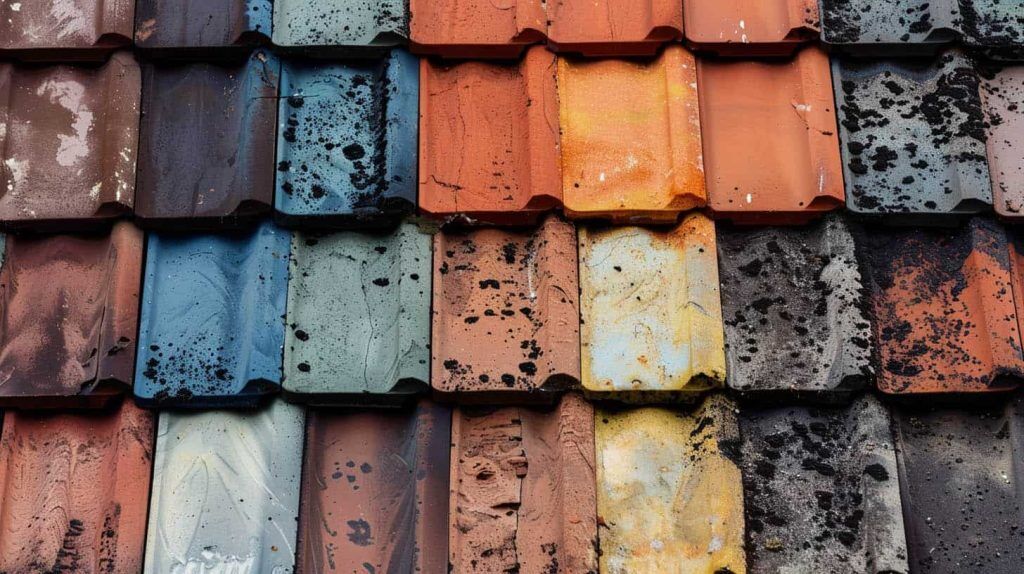
Shingles, tiles, or metal panels form the outermost layer of the roof. This component is critical for weatherproofing and greatly influences the roof’s aesthetic. Choices in material affect the roof’s durability, weight, and insulation properties, with options ranging from asphalt shingles to metal, slate, and beyond.
Flashing
Flashing consists of thin pieces of impervious material installed to prevent water penetration at critical areas, including valleys, vents, chimneys, and where the roof meets a vertical surface like a wall or dormer. Properly installed flashing is essential for avoiding leaks.
Ridge Vent
Situated along the roof’s peak, the ridge vent allows hot, humid air to escape from the attic, playing a vital role in the roof’s ventilation system. This component helps regulate the attic’s temperature and moisture levels, contributing to a more energy-efficient home.
Eaves, Soffits, and Fascia
-
Eaves are the parts of the roof that overhang the home’s walls, providing shade and directing water away from the foundation.
-
Soffits are the underside of the eaves, ventilated to allow air flow into the attic, which helps prevent moisture buildup and decay.
-
Fascia is the visible, vertical finishing edge connected to the ends of the rafters, trusses, or the area where the gutter is attached to the roof. It acts as a layer between the outdoor environment and the roof’s edge, protecting the wooden board against water damage.
Gutters and Downspouts
Gutters catch rainwater from the roof, directing it into downspouts, which then channel the water away from the home’s foundation. Properly functioning gutters and downspouts are crucial for preventing soil erosion, basement flooding, and foundation problems.
The Importance of Roof Ventilation and Insulation
Adequate ventilation and insulation are paramount for maintaining a healthy, efficient roofing system. Ventilation helps manage the temperature and moisture levels in the attic, preventing issues like ice dams, roof rot, and mold growth. Insulation, on the other hand, helps retain heat during colder months and keeps the home cooler in the summer, contributing to overall energy efficiency.
Choosing the Right Roofing Material
Selecting the appropriate roofing material involves balancing cost, durability, aesthetics, and architectural style. While asphalt shingles dominate the market for their affordability and versatility, homeowners are increasingly exploring alternative materials like metal roofing, synthetic slate, and cedar shingles for their distinct advantages in longevity, appearance, and environmental impact.
Resolve Roofing, located in Columbia, MO, specializes in providing expert guidance and installation services across a wide range of roofing materials. Whether you’re considering a traditional asphalt shingle roof or exploring the benefits of metal roofing, our team is dedicated to ensuring your roofing project meets your aesthetic preferences, budget, and long-term needs.
Conclusion
A roof is more than just a protective canopy; it’s a complex system designed to safeguard your home from the elements, contribute to its energy efficiency, and enhance its overall appearance. Understanding the anatomy of your roof and the function of each component can empower you to make informed decisions about maintenance, repairs, and replacements. With the right care and materials, your roof can provide decades of protection and aesthetic appeal, making it a wise investment in your home’s future.
