
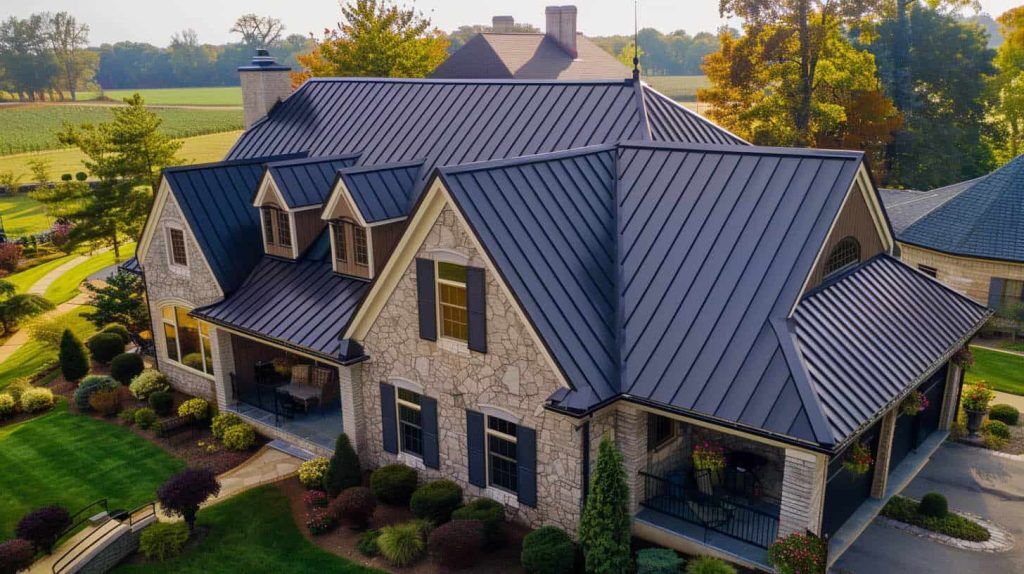
The decision to choose roofing material is pivotal for homeowners, directly impacting the longevity, aesthetics, and energy efficiency of their homes. Metal roofing, despite its rising popularity, is often shrouded in myths that can skew homeowner perceptions and decisions. This comprehensive analysis aims to dispel these myths, shedding light on the intrinsic value and benefits of metal roofing systems.
Myth 1: Prohibitive Cost
One of the most pervasive myths is that metal roofing is significantly more expensive than traditional materials like asphalt shingles. While the initial investment in a metal roof may be higher, the long-term savings it offers paints a different picture. Metal roofs boast superior durability, leading to minimal maintenance and repair costs. Additionally, the energy efficiency of metal roofing materials can lead to substantial savings on heating and cooling bills. Over time, the total cost of ownership of a metal roof is often lower than that of traditional roofing materials.
To learn more about the costs of metal roofing, check out our blog, “The Cost of a Metal Roof in Columbia, MO Explained.”
Myth 2: Lack of Aesthetic Variety
Another common misconception is that metal roofs offer limited options in terms of style and color. Modern metal roofing technology has evolved to offer a wide range of aesthetic choices, including profiles that mimic traditional shingles, tiles, and even wood shakes. With an extensive palette of colors and finishes, metal roofs can complement any architectural style, from historic homes to contemporary structures, enhancing curb appeal and potentially increasing home value.
Myth 3: Noise Disruption
The belief that metal roofs are noisier than other types of roofing during rain or hail storms is a myth rooted in outdated experiences with old barns or sheds. Today’s metal roofing systems are installed over a solid substrate. Additionally, insulation and attic space significantly reduce any sound transmission, making metal roofs as quiet as other materials, if not quieter.
Myth 4: Risk of Lightning Strikes
A common concern is that metal roofs attract lightning. However, metal roofing does not increase the likelihood of a lightning strike. Lightning seeks a path to the ground and will strike the highest object in an area regardless of its material. Metal roofs, being non-combustible, actually offer an added layer of protection by dissipating the electrical charge more effectively than flammable materials like wood.
Myth 5: Poor Performance in Harsh Weather
There’s a misconception that metal roofs perform poorly in harsh weather conditions. On the contrary, metal roofs excel in extreme weather, offering superior resistance to wind, hail, and fire. Their interlocking panels provide enhanced wind resistance, and the material’s impact resistance protects against hail damage. Metal roofs are also non-combustible, providing a higher level of fire protection compared to other roofing materials.
Conclusion
Metal roofing stands out as a superior choice for homeowners, offering unmatched durability, a wide range of aesthetic options, and significant energy savings. By dispelling the myths surrounding metal roofing, homeowners can make informed decisions based on the factual benefits and long-term value it provides. At Resolve Roofing in Columbia, MO, we are dedicated to offering our clients the best roofing solutions tailored to their needs, ensuring satisfaction and peace of mind with every project.
