
Table of Contents
Does insurance cover storm damage to roof repairs and replacements? This question weighs heavily on homeowners’ minds, especially after severe weather events sweep through Missouri. The answer isn’t always straightforward, as insurance coverage for your roof depends on your specific policy, the type of damage, and how it occurred. Understanding these nuances before storm season arrives can save you thousands of dollars and significant stress when you need repairs most.
What Storm Damage Does Homeowners Insurance Typically Cover?
Most standard homeowners insurance policies cover sudden and accidental damage from storms, but the specifics matter greatly. Understanding what qualifies as covered damage helps you know when to file a claim and what to expect from the process.
Covered Storm Damage Usually Includes:
- Wind damage from straight-line winds or tornadoes that lift shingles, damage flashing, or cause structural issues
- Hail damage that creates dents, cracks, or punctures in roofing materials
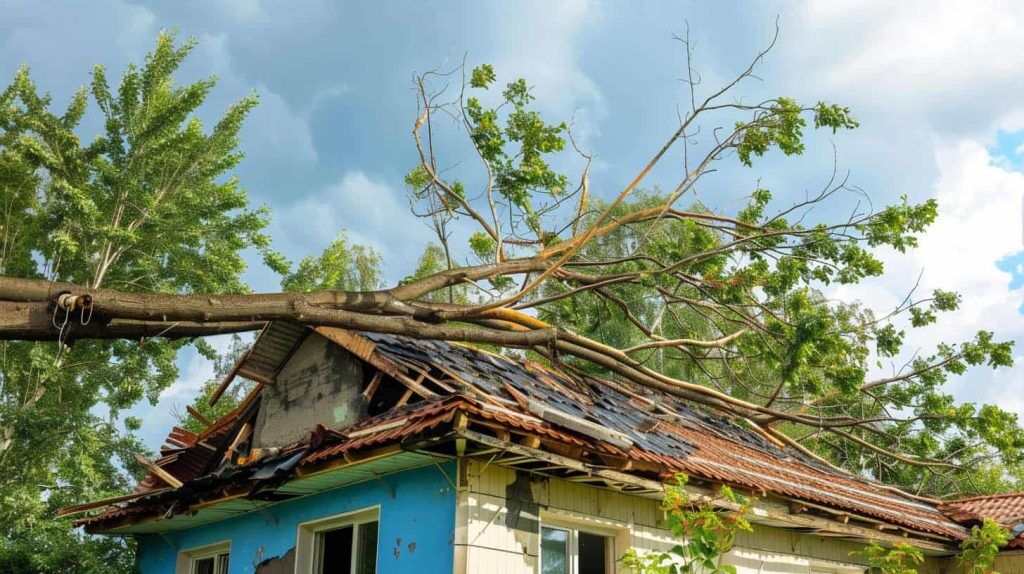
- Falling tree damage when healthy trees are knocked down by storms
- Ice dam damage that causes water to back up under shingles
- Lightning strikes that damage roofing materials or cause fires
What’s Typically Not Covered:
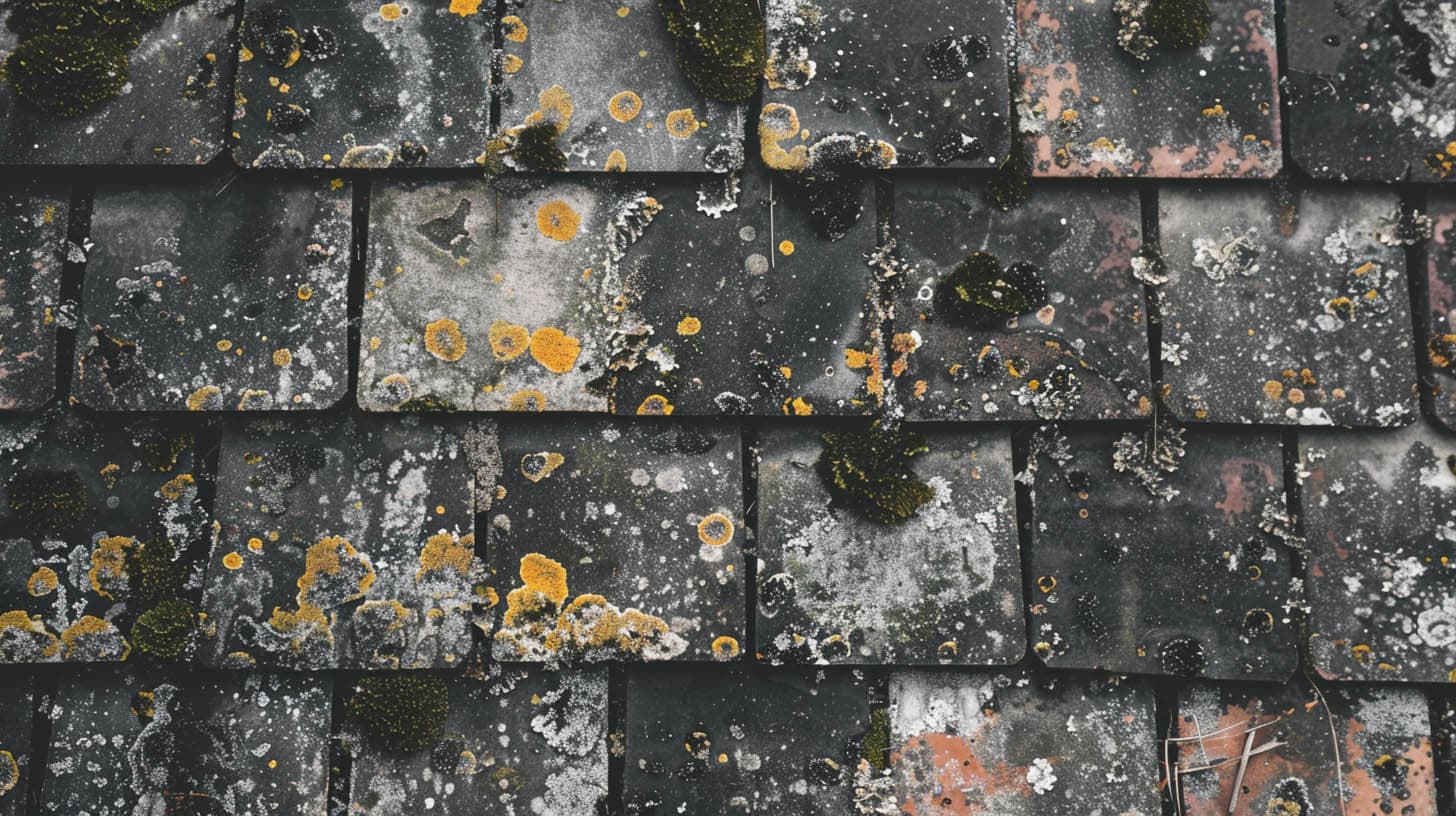
- Gradual wear and tear or aging of roofing materials
- Damage from lack of maintenance, such as missing shingles not replaced promptly
- Flood damage (requires separate flood insurance)
- Earth movement damage from earthquakes or landslides
- Damage from rodents, insects, or birds
The key distinction is between sudden, weather-related events and gradual deterioration. Insurance companies will investigate to determine if damage resulted from a specific storm event or ongoing maintenance issues, making insurance one of the first steps in navigating storm damage to your home.
Understanding Your Deductible and Coverage Limits
Your insurance deductible significantly impacts your out-of-pocket costs. Most policies have either a flat dollar amount deductible or a percentage-based deductible for wind and hail damage claims.
Deductible Types:
- Flat deductible: A fixed amount like $1,000 or $2,500 regardless of claim size
- Percentage deductible: Often 1-5% of your home’s insured value, applied specifically to wind/hail claims
- Separate wind/hail deductible: Some policies have higher deductibles specifically for storm damage
For example, if your home is insured for $300,000 and you have a 2% wind/hail deductible, you’ll pay $6,000 out of pocket before insurance coverage kicks in. This makes understanding your specific deductible crucial for budgeting potential repairs.
Coverage limits also matter. While your dwelling coverage should cover the full replacement cost of your roof, some policies may have sublimits for certain types of damage or specific roofing materials.
Documentation Is Everything: Preparing for Claims
Successful roof insurance claims rely heavily on proper documentation. The more evidence you have of both your roof’s pre-storm condition and the damage that occurred, the stronger your claim will be.
Before Storm Season:
- Take photographs of your roof from all angles, including close-ups of shingles and flashing
- Keep receipts from recent roof maintenance or repairs
- Review your policy annually to understand current coverage and deductibles
- Document your home’s exterior with video walkthroughs
After Storm Damage:
- Photograph damage immediately, but prioritize safety over documentation
- Note the date, time, and weather conditions when damage occurred
- Keep damaged materials if safely accessible for the insurance adjuster review
- Get temporary repairs done to prevent further damage, but keep receipts
Insurance companies want to see clear evidence that damage resulted from a specific weather event rather than pre-existing conditions. Detailed documentation helps establish this timeline and supports your claim.
Common Claim Challenges and How to Navigate Them
Many homeowners encounter obstacles during the claims process that can delay repairs or reduce payouts. Being prepared for these common issues helps you advocate effectively for proper coverage.
Does insurance cover storm damage to roof repairs? Insurance adjusters may initially offer settlements that don’t cover full roof repair costs, especially if they haven’t identified all the damage or are using outdated pricing. Getting multiple contractor estimates helps ensure you receive adequate compensation for quality repairs.
Age of roofing materials can also impact payouts. While many policies provide replacement cost coverage, some may apply depreciation to older roofs, meaning you’ll receive less money upfront and must complete repairs to recover full replacement costs.
Weather-related damage often affects multiple components beyond what’s immediately visible. Wind can compromise flashing, gutters, and underlayment even when shingles appear intact. Comprehensive inspections help identify all damage that should be included in your claim.
Does Insurance Cover Storm Damage to Roof Replacement vs. Repairs?
The extent of coverage often depends on the severity of damage and your policy terms. Minor damage affecting small sections typically qualifies for repair coverage, while extensive damage may warrant full replacement.
Insurance companies generally prefer repairs when possible, but replacement becomes necessary when damage is too extensive or when repairs wouldn’t restore the roof’s integrity. Age and condition of existing materials also influence this decision, as mixing old and new materials can create problems.
Most policies require using “like kind and quality” materials for replacements. This means if you have architectural shingles, insurance should cover replacing them with similar architectural shingles rather than basic three-tab shingles.
Taking Action: Protecting Your Investment
Understanding your insurance coverage before you need it puts you in the best position to recover from storm damage quickly and completely. Regular roof maintenance, proper documentation, and knowledge of your policy terms create a foundation for successful claims when severe weather strikes.
Contact Resolve Roofing for a free 24-hour inspection. Our GAF Certified storm damage restoration experts will assess your roof’s current condition and help you understand what your insurance should cover if damage occurs. We’ll walk you through the entire insurance process, making storm recovery as smooth as possible. Call Resolve, Problem Solved!
