
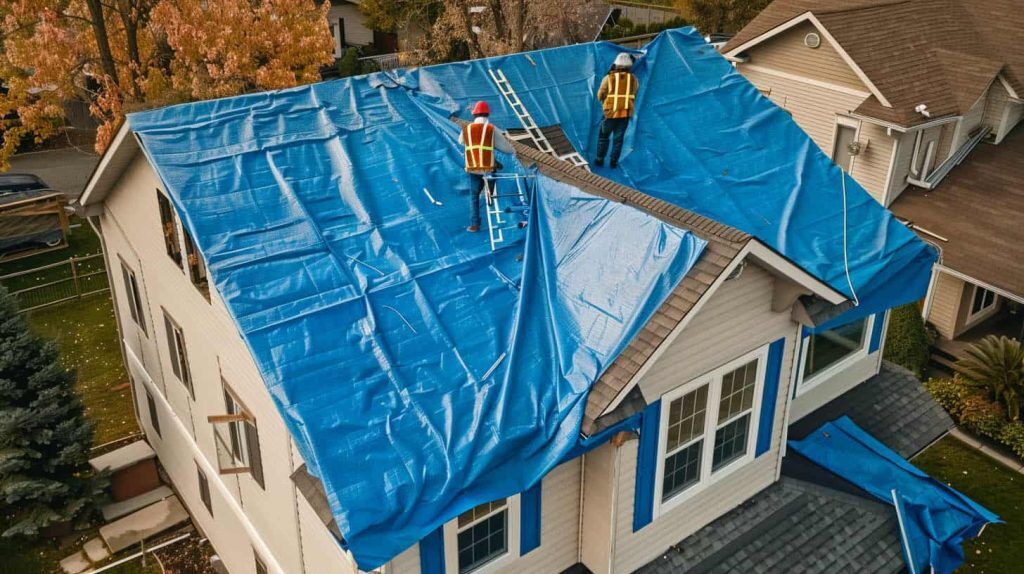
In the aftermath of severe weather events, roofs may sustain damage that leaves homes vulnerable to water intrusion, further damage, and potential safety hazards. Tarping a roof temporarily can provide a crucial barrier against these risks until permanent repairs are made. This guide outlines the meticulous process of tarping a roof, emphasizing safety, effectiveness, and the importance of professional consultation, such as the expertise offered by Resolve Roofing in Columbia, MO.
Recognizing the Need for a Roof Tarp
The necessity for tarping a roof typically arises following significant weather-related damage. Events such as hurricanes, severe storms, and other natural disasters can compromise the integrity of roofing materials, leading to leaks and exposing the interior of the home to further damage. Promptly addressing these issues by tarping the roof can prevent additional water damage, mold growth, and the intrusion of pests.
Selecting the Appropriate Tarp
Understanding Tarp Materials
The choice of tarp material is pivotal in ensuring the effectiveness of the temporary roof cover. The most common types include:
-
Vinyl Tarps: Known for their durability and waterproof qualities, vinyl tarps are ideal for heavy-duty applications, offering robust protection against rain, rot, and sunlight.
-
Canvas Tarps: While not inherently waterproof, canvas tarps offer breathability and can be treated for water resistance. They are suitable for situations where air circulation is needed to prevent moisture buildup.
-
Polyethylene (Poly) Tarps: These tarps are lightweight, waterproof, and resistant to tearing. They are a cost-effective solution for short-term coverage, providing adequate protection against sunlight and moisture.
Proper Tarp Installation
Prioritizing Safety
Safety is paramount when tarping a roof. Wet surfaces, high winds, and damaged structures pose significant risks. It is crucial to wait for favorable weather conditions before attempting to install a tarp. If the situation requires immediate attention, seeking professional help is advised to ensure safety and efficiency.
Assessing Roof Damage
A thorough inspection of the roof is necessary to determine the extent of damage and the size of the tarp needed. This assessment should ideally begin in the attic, identifying areas of water intrusion and structural damage.
Preparing the Roof Surface
Ensuring a clean and smooth surface is essential for the effective application of the tarp. Remove debris, fallen branches, and any other obstacles that could puncture the tarp or impede its installation. Clearing pooled water and smoothing out rough edges will facilitate a more secure and effective tarp application.
Measuring and Cutting the Tarp
After assessing the damaged area, measure and cut the tarp, ensuring it extends beyond the damaged section to provide comprehensive coverage. Allow for an adequate overhang to secure the tarp properly and prevent water from seeping underneath.
Securing the Tarp
Begin by anchoring the top edge of the tarp with furring strips, ensuring they are nailed down into the roof’s rafters for stability. Stretch the tarp tightly over the damaged area, securing the sides and bottom with additional furring strips. This method eliminates creases and air pockets, which could compromise the tarp’s effectiveness.
Final Inspection
After installation, conduct a thorough inspection to ensure the tarp is taut and securely anchored. Check for any slack areas or weak securing points and make necessary adjustments. This final step is crucial to ensure the temporary cover withstands weather conditions until permanent repairs are undertaken.
Avoiding Common Tarping Mistakes
-
Using an Inadequately Sized Tarp: Ensure the tarp fully covers the damaged area, with sufficient overhang for secure anchoring.
-
Improper Securing: Properly anchor the tarp to withstand wind and rain, preventing it from being blown away or shifted.
-
Overlooking Local Regulations: Check with local authorities and homeowner associations for any guidelines regarding tarp use to avoid potential fines or violations.
Conclusion
Tarping a roof is a critical interim solution to protect a home from further damage following severe weather events. By following these detailed steps and prioritizing safety, homeowners can effectively shield their property from the elements. However, the complexities and risks associated with tarping a roof often necessitate professional intervention. Companies like Resolve Roofing in Columbia, MO, offer the expertise and equipment necessary to safely and efficiently secure your home, ensuring peace of mind during vulnerable times.
