
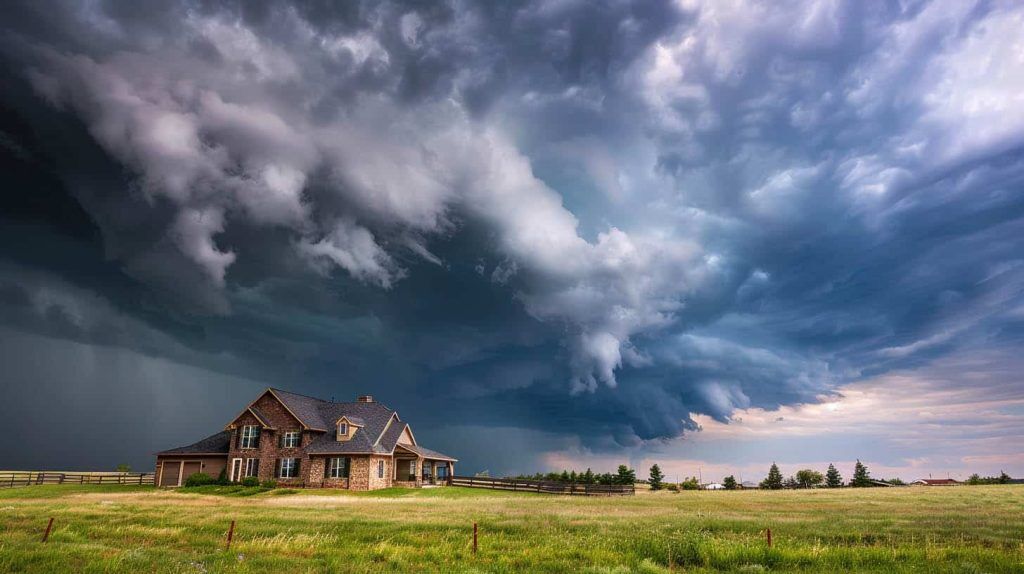
Hailstorms, with their sudden onset and potential for significant damage, pose a real threat to homes in susceptible regions. The key to minimizing hail damage lies in proactive preparation and strategic home improvements. This guide, presented by Resolve Roofing in Columbia, MO, outlines essential steps homeowners can take to shield their properties from the ravages of hail.
Understanding Hail’s Impact
Hail can vary in size from small pellets to golf balls or even larger, causing a spectrum of damage to roofs, siding, windows, and landscaping. The intensity of a hailstorm can lead to costly repairs or replacements if homes are not adequately protected. Recognizing the potential for such weather events and preparing accordingly can save homeowners from unexpected expenses and stress.
Roof Resilience: Your First Line of Defense
Regular Roof Inspections and Maintenance
The roof is your home’s primary shield against hail. Regular inspections, ideally twice a year or following significant weather events, are crucial. Look for signs of wear, such as cracked, loose, or missing shingles, and address these issues promptly. Debris like leaves and branches should be cleared to prevent damage and ensure water can flow freely off the roof.
Choosing Hail-Resistant Roofing Materials
For those in hail-prone areas, investing in hail-resistant roofing materials can be a wise decision. Materials rated Class 4 under the UL 2218 standard have demonstrated the highest resistance to hail and can significantly reduce the likelihood of hail damage. Options include certain types of metal roofing, modified asphalt shingles, and rubberized materials, each offering a blend of durability and aesthetic appeal.
Exterior Protection: Siding and Windows
Upgrading Siding
The siding of your home not only contributes to its aesthetic appeal but also serves as a critical barrier against hail. Materials like fiber cement and high-impact vinyl offer enhanced resistance to hail damage. Regular inspections for cracks, rot, or warping can help identify areas in need of repair or replacement, ensuring your siding remains an effective protective layer.
Reinforcing Windows
Windows are particularly vulnerable during a hailstorm. Impact-resistant windows or storm shutters can provide significant protection. For added insulation and hail resistance, consider applying window film or installing exterior window shades, which can deflect hailstones and reduce the risk of breakage.
Landscaping and Outdoor Areas
Strategic Tree Trimming
Trees can be both a hazard and a defense in hailstorms. Regularly trim branches that overhang the house to prevent them from breaking off and causing damage. Conversely, well-placed trees and shrubs can serve as windbreaks, reducing the velocity of hailstones before they reach your home.
Secure Outdoor Items
Patio furniture, grills, and other outdoor items can become projectiles in high winds accompanying hailstorms. Secure these items in a shed or garage or anchor them firmly to the ground. Consider using protective covers for added security.
Preparing for the Storm
Emergency Plan and Supplies
Having a plan in place before a hailstorm hits is essential. Know where to shelter within your home, away from windows and skylights. Keep an emergency kit stocked with essentials, and ensure your family knows the plan.
Insurance Review
Regularly review your homeowner’s insurance policy to understand what is covered in the event of hail damage. Consider whether additional coverage is warranted based on your home’s location and the frequency of severe weather events.
Conclusion
While no home can be entirely hail-proof, taking proactive steps to reinforce and protect your property can significantly mitigate the risk of damage. From choosing the right roofing materials to securing outdoor items and implementing strategic landscaping, each measure contributes to a comprehensive defense strategy against hail. Homeowners in Columbia, MO, and surrounding areas can rely on Resolve Roofing for expert advice and services tailored to enhance their home’s resilience against hail and other severe weather challenges.
