
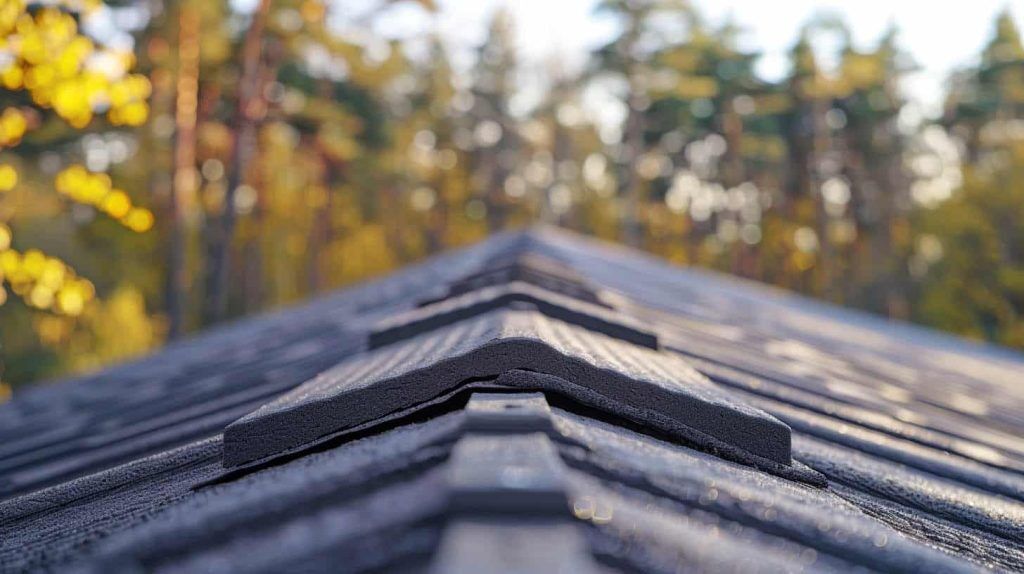
Rolled roofing, a versatile and cost-effective solution, is increasingly becoming the go-to choice for homeowners and commercial property owners alike. This comprehensive guide delves into the intricacies of rolled roofing, offering insights into its benefits, installation process, and maintenance tips to ensure longevity and durability.
Introduction to Rolled Roofing
Rolled roofing, also known as mineral-surfaced roll or MSR, is a lightweight, budget-friendly roofing material designed primarily for low-slope and flat roofs. Comprising the same materials as traditional asphalt shingles, rolled roofing is presented in large rolls, making it an efficient option for covering expansive roof areas swiftly and effectively.
Key Advantages
-
Cost-Effectiveness: One of the most appealing aspects of rolled roofing is its affordability, making it an ideal choice for homeowners seeking a practical roofing solution without breaking the bank.
-
Ease of Installation: Its roll-out design simplifies the installation process, allowing for quick and efficient roof coverage, which is particularly beneficial for large commercial buildings or residential outbuildings.
-
Durability: Despite its thin composition, rolled roofing offers commendable durability, capable of withstanding various weather conditions when properly installed and maintained.
Selecting the Right Type of Rolled Roofing
Rolled roofing comes in several types, each suited to different roofing needs and preferences:
-
Mineral-Surfaced Roll Roofing: The most common variant, featuring a granule top surface similar to traditional shingles, offering added protection against UV rays and weather elements.
-
Smooth-Surfaced Roll Roofing: Lacks the granular top layer, providing a sleek, uniform appearance, often used for underlayer roofing solutions.
-
Self-Adhering Roll Roofing: A newer innovation that eliminates the need for hot tar or roofing cement, simplifying the installation process with a peel-and-stick application method.
Installation Process: A Step-by-Step Guide
Installing rolled roofing is straightforward, making it an attractive option for DIY enthusiasts. However, for optimal results and longevity, professional installation is recommended. Here’s a basic overview of the installation process:
-
Preparation: Ensure the roof deck is clean, dry, and free of debris. Remove any existing damaged roofing material.
-
Underlayment Application: Although not always necessary, applying an underlayment can provide additional moisture protection.
-
Measuring and Cutting: Measure the roof area and cut the rolled roofing to size, allowing for proper overlap between sheets.
-
Adhesive Application: For self-adhering types, remove the backing and apply directly to the roof deck. For traditional rolls, apply roofing cement on the deck and the overlap areas.
-
Securing the Material: Roll out the roofing material carefully, pressing firmly into place. Secure the edges and overlaps with roofing nails.
-
Sealing: Apply roofing cement on the edges and at the seams between rolls to ensure a watertight seal.
Maintenance and Care
To maximize the lifespan of your rolled roofing, regular maintenance is essential:
-
Regular Inspections: Conduct bi-annual inspections to identify and address any signs of wear, tear, or damage.
-
Debris Removal: Keep the roof surface clean of debris, leaves, and branches that can trap moisture and lead to deterioration.
-
Prompt Repairs: Address any issues, such as tears or loose seams, immediately to prevent water infiltration and further damage.
Choosing the Right Contractor
For those in Columbia, MO, selecting a reputable and experienced contractor like Resolve Roofing is crucial for ensuring a high-quality rolled roofing installation. Look for contractors with:
-
Proven Experience: With specific expertise in rolled roofing installations.
-
Licensing and Insurance: To provide peace of mind and protection against potential damages.
-
Positive Reviews: Reflecting a track record of satisfied customers and successful projects.
Conclusion
Rolled roofing offers a practical and economical solution for low-slope and flat roofs, combining ease of installation with effective protection against the elements. By understanding the different types of rolled roofing available, following proper installation techniques, and committing to regular maintenance, property owners can enjoy a durable and reliable roofing solution. For expert installation and advice, homeowners and commercial property owners in Columbia, MO, can turn to Resolve Roofing, ensuring their roofing project is in capable hands.