
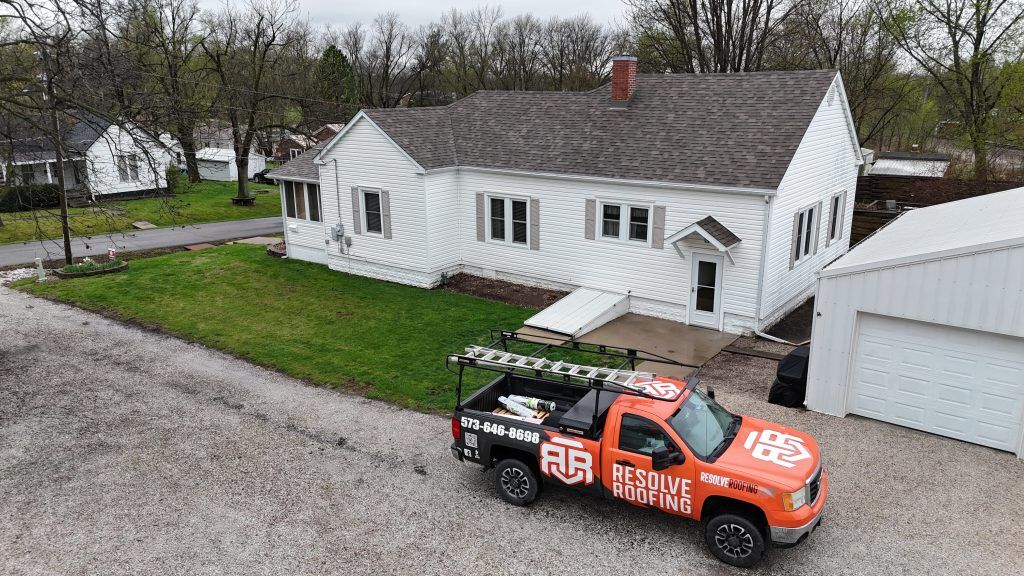
The parts of a roof work together to protect your home from rain, wind, heat, and moisture. While shingles are the most visible part of the roof, they are only one piece of a much larger system. Every layer and component has a specific job, from supporting the structure to directing water away from your home.
Understanding how these pieces work together can help you recognize early warning signs of damage, make informed decisions about roof repairs, and maintain your roof more effectively over time. For homeowners in Columbia, MO, where roofs endure everything from hailstorms to freezing winters and humid summers, knowing the basics can go a long way toward protecting one of your home’s biggest investments.
Parts of a Roof: Understanding the Complete Roofing System
A roof isn’t made up of a single material. Instead, it’s a collection of components that work together to create a weather-resistant barrier over your home. If one part begins to fail, it often affects the performance of everything around it. For example, a damaged flashing boot around a plumbing vent can eventually allow water to soak the underlayment and roof decking beneath it.
This is why professional roof inspections evaluate the entire roofing system rather than just looking at the shingles. Every component plays a role in protecting your home, improving energy efficiency, and extending the life of your roof.
Roof Decking Provides Structural Support
Everything starts with the roof deck. This wooden surface is attached directly to the home’s framing and serves as the foundation for every roofing material installed above it. Most residential homes today use plywood or oriented strand board (OSB), both of which provide excellent strength while remaining relatively lightweight.
Because the roof deck is hidden beneath the finished roofing materials, homeowners rarely see it unless the roof is being replaced. However, it can become damaged if water penetrates through worn shingles or deteriorated flashing. Over time, trapped moisture can cause the wood to soften, warp, or rot.
A professional roofing contractor will always inspect the decking before installing a new roof. Replacing damaged sections during a roof replacement ensures the new roofing system has a stable base and helps prevent future problems.
Warning Signs of Deck Damage
Although the decking isn’t visible, there are often clues that something isn’t right. A sagging section of roof, recurring interior leaks, soft spots when walking on the roof, or water stains in the attic can all point to deteriorating decking beneath the surface.
Underlayment Creates a Secondary Moisture Barrier
After the roof deck is installed, contractors apply an underlayment across the entire surface. This layer acts as a backup defense against water that manages to get beneath the shingles during heavy rain or wind-driven storms.
Most modern roofing systems use synthetic underlayment because it is stronger, lighter, and more resistant to tearing than traditional felt paper. Even though homeowners never see it once the roof is complete, this layer provides valuable protection during severe weather.
Missouri weather can change quickly, especially during spring and summer thunderstorms. Having a quality underlayment in place gives homeowners additional peace of mind when high winds or driving rain test the roof’s outer layer.
Shingles Protect Your Home From the Elements
Shingles are the roofing material most homeowners recognize because they cover the entire surface of the roof. Their primary purpose is to shield the home from the weather while also contributing to its appearance.
Asphalt shingles remain the most common choice because they provide an excellent balance of affordability, durability, and curb appeal. Architectural shingles have become especially popular because they offer greater thickness and longer service life than standard three-tab shingles.
Like any exterior building material, shingles gradually wear down over time. Sun exposure, temperature swings, hail, and strong winds all contribute to the aging process.
Signs Your Shingles May Need Attention
A few missing shingles after a storm are easy to notice, but many roofing issues develop more gradually. Curling edges, cracked surfaces, excessive granule loss, or areas of discoloration often indicate that the shingles are reaching the end of their lifespan.
After severe weather moves through Columbia, MO, it’s a good idea to have your roof inspected even if there are no obvious leaks. Storm damage isn’t always visible from the ground, and catching problems early often prevents more expensive repairs later.
Flashing Protects Roof Openings
One of the most important components of any roofing system is flashing. Flashing consists of specially formed pieces of metal installed around roof penetrations and transitions where water is most likely to enter.
These areas include chimneys, skylights, plumbing vents, dormers, and places where the roof meets an exterior wall. Since shingles alone cannot completely seal these joints, flashing directs water away before it has the opportunity to seep underneath the roofing materials.
Flashing is built to last for many years, but it can eventually loosen, rust, or separate as roofing materials expand and contract through changing seasons. When leaks occur around chimneys or vent pipes, damaged flashing is often the culprit.
Roof Valleys Handle Heavy Water Flow
Roof valleys are the sections where two roof slopes meet. Every time it rains, large amounts of water naturally collect in these channels before flowing toward the gutters. Because they experience more water than nearly any other area of the roof, valleys receive additional waterproofing beneath the shingles during installation.
Leaves, sticks, and other debris frequently accumulate in roof valleys, particularly during the fall. If this material isn’t removed, water can become trapped beneath it, increasing the risk of leaks and premature wear. Keeping valleys clean is one of the simplest ways homeowners can help extend the life of their roof.
The Ridge and Ridge Caps Complete the Roof
The ridge is the highest point of a sloped roof where two roof planes come together. While it may appear to be just another row of shingles, this area requires specially manufactured ridge cap shingles designed to protect the roof’s peak.
Many modern roofing systems also include ridge vents beneath these cap shingles. Ridge vents allow hot attic air to escape while preventing rain and debris from entering. When combined with proper intake ventilation, they help regulate attic temperatures throughout the year.
This balanced airflow can reduce excess heat during Columbia’s hot summers while also minimizing moisture buildup during the colder months.
Proper Roof Ventilation Improves Performance
Roof ventilation is one of the least understood parts of a roofing system, but it has a major impact on roof longevity and home comfort. Without adequate airflow, heat and humidity become trapped inside the attic. Over time, this can increase cooling costs, shorten the life of roofing materials, and even contribute to mold growth.
A properly ventilated roof relies on both intake and exhaust ventilation working together.
Fresh air typically enters through soffit vents beneath the roof overhang. As that cooler air moves through the attic, it pushes warm, humid air upward where it exits through ridge vents or other exhaust vents near the roof peak.
When ventilation is balanced correctly, it helps maintain more consistent attic temperatures throughout the year and reduces unnecessary stress on the roofing system.
Soffits and Fascia Protect the Roof Edge
The edges of your roof include two components that often go unnoticed until repairs become necessary: soffits and fascia.
The fascia is the vertical board mounted along the edge of the roof. It supports the gutters while also protecting the exposed ends of the roof framing. Since gutters attach directly to the fascia, any water damage should be repaired promptly before it spreads.
The soffit covers the underside of the roof overhang and gives the home a finished appearance. Many soffits also contain ventilation openings that allow fresh air to enter the attic. If soffits become damaged, birds, insects, and small animals may gain access to the attic space.
Gutters Move Water Away From Your Home
Although gutters aren’t technically part of the roofing structure, they are essential to its overall performance. Their job is to collect rainwater as it leaves the roof and safely direct it away from the home’s foundation.
Without functioning gutters, water can overflow onto siding, erode landscaping, damage fascia boards, and even pool around the foundation. Over time, these issues become much more expensive than routine gutter maintenance.
Cleaning gutters at least twice each year helps ensure rainwater flows properly, especially after Columbia’s fall leaves or spring storms.
Drip Edge Protects the Roof Perimeter
Drip edge is a thin strip of metal installed along the edges of the roof beneath the shingles. Its purpose is to guide rainwater directly into the gutters while preventing moisture from reaching the roof deck and fascia boards.
Although it isn’t one of the most noticeable roofing components, drip edge provides important protection against water damage and helps reduce the risk of wood rot along the roof’s perimeter.
Roof Penetrations Need Regular Inspection
Every feature that passes through the roof creates another location where leaks could potentially develop. Chimneys, skylights, plumbing vents, exhaust fans, and satellite mounts all require flashing and waterproof sealants to remain watertight.
Over time, sealants naturally age and crack due to constant exposure to sunlight and changing temperatures. These areas are carefully examined during professional roof inspections because even a small failure can allow water into the home.
Regular inspections are particularly valuable after severe weather, when high winds may loosen flashing or damage protective seals without leaving obvious signs from the ground.
Understanding Your Roof Can Save You Money
Many roofing problems begin as relatively minor issues before growing into expensive repairs. A loose shingle, clogged valley, or worn flashing may not seem urgent, but each has the potential to allow moisture into the roofing system if left unaddressed.
Knowing the basic parts of your roof makes it easier to recognize when something doesn’t look right. It also helps homeowners better understand inspection reports and communicate confidently with roofing professionals.
For homes in Columbia, MO, where roofs are exposed to hail, high winds, heavy rain, and seasonal temperature swings, preventative maintenance is one of the most effective ways to maximize roof life.
Protect Your Columbia, MO Home With Professional Roof Care
Every part of your roof serves an important purpose, even the components you rarely see. When they all work together, they create a durable system that protects your home year after year. Regular inspections and timely repairs help ensure each component continues performing as it should.
If your roof has recently been through a storm, is showing signs of age, or simply hasn’t been inspected in several years, the experienced team at Resolve Roofing can help. Contact us today to schedule a professional roof inspection in Columbia, MO, and get honest recommendations for keeping your roof in excellent condition for years to come.
