Table of Contents
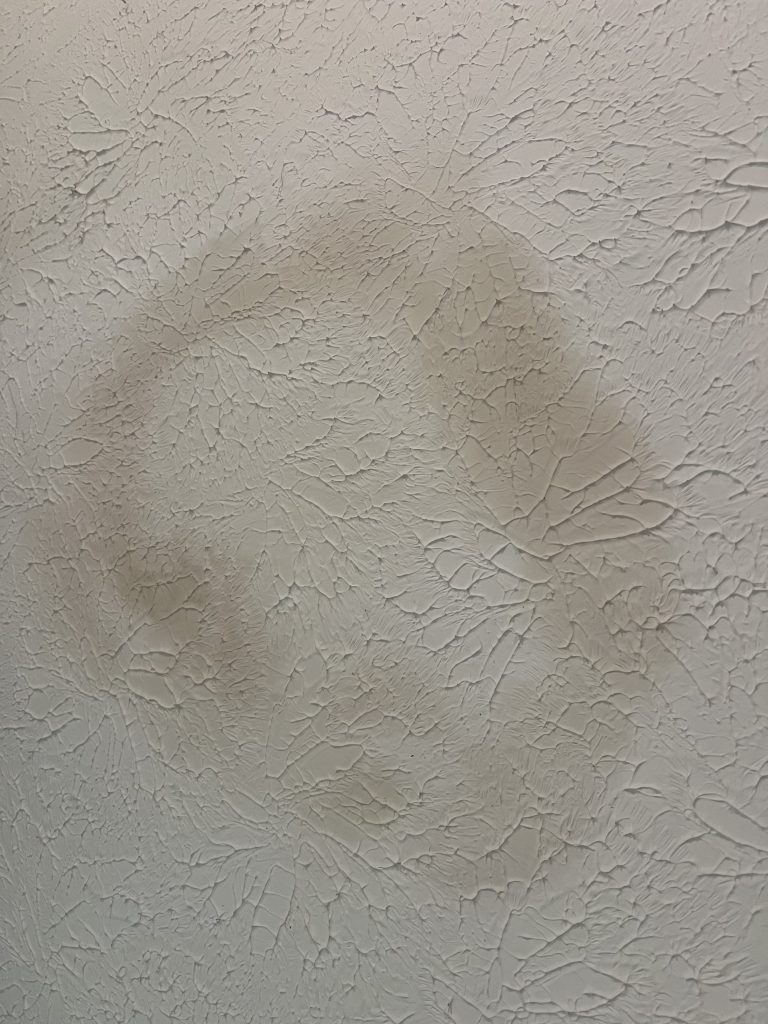
Those innocent-looking water spots on ceiling surfaces might seem like minor cosmetic issues, but as experienced Missouri roofing professionals, the team at Resolve Roofing knows they’re often warnings of more significant problems lurking above. When homeowners in Columbia, Ashland, Fayette, or surrounding areas notice discoloration or dampness on their ceilings, it’s crucial to understand what your home is trying to tell you.
Let’s explore the five hidden roofing issues that water spots on ceiling surfaces typically signal, and why addressing them promptly can save you thousands in repairs.
1. Compromised Shingle Integrity
One of the most common causes of water spots on ceiling surfaces is damaged or missing shingles. Missouri’s unpredictable weather, from summer thunderstorms to winter ice, takes a toll on roofing materials. When shingles crack, curl, or blow away entirely, they create vulnerable entry points for moisture.
What makes this particularly dangerous is that a single compromised shingle can allow water to travel significant distances before appearing as ceiling spots. The water you see in your living room might originate from damage several feet away on your roof. During our free 24-hour inspections, Resolve Roofing technicians carefully complete a roof damage assessment to identify the true source of the problem.
2. Failed Flashing and Vulnerable Valleys
Water spots on ceiling areas often indicate issues with your roof’s flashing; the metal pieces installed around chimneys, vents, skylights, and in roof valleys. These critical components direct water away from vulnerable seams, but when they deteriorate or become loose, moisture infiltration quickly follows.
In Missouri’s climate, the expansion and contraction of roofing materials during extreme temperature fluctuations can gradually separate flashing from the surfaces it protects. What begins as a tiny gap can evolve into significant leaks that manifest as ceiling discoloration. Professional inspection of these areas requires specialized training to identify compromised flashing that might not be evident to untrained observers.
3. Gutter System Failures
Surprisingly, many water spots on ceiling edges stem from malfunctioning gutter systems rather than direct roof leaks. When gutters clog with debris or pull away from the roofline, they prevent proper drainage during Missouri’s heavy rainfall periods. This causes water to back up under shingles or overflow directly down exterior walls, eventually finding its way to your ceiling.
As certified RainDrop Pro Gutter Guard installers, we frequently discover that ceiling moisture problems could have been prevented with proper gutter maintenance or protection. Addressing both your roof and gutter system as interconnected components is essential for comprehensive moisture management.
4. Inadequate Attic Ventilation and Insulation
Not all water spots on ceiling surfaces come from external leaks. In Missouri’s humid climate, improper attic ventilation creates condensation issues that can mimic leak symptoms. When warm, moisture-laden air becomes trapped in your attic space, it condenses on cooler surfaces and eventually saturates insulation and drywall, creating those telltale ceiling stains.
During comprehensive roof inspections, our technicians evaluate your attic’s ventilation system, identifying insufficient intake or exhaust mechanisms that might be contributing to moisture buildup. Properly balanced airflow is essential for preventing condensation-related ceiling damage and extending your roof’s overall lifespan.
5. Ice Dam Formation
Missouri winters bring unique challenges to roofing systems, with ice dams being among the most destructive. These ridge-like ice formations along roof edges prevent proper drainage and force melting snow underneath shingles. The resulting water infiltration often appears as water spots on ceiling surfaces near exterior walls.
Ice dams typically signal inadequate insulation and ventilation or problematic roof designs. At Resolve Roofing, we address not just the visible ceiling damage but implement comprehensive solutions to prevent future ice dam formation through proper insulation, ventilation improvements, and ice-and-water shield installation in vulnerable areas.
Early Detection Saves More Than Your Ceiling
Water spots on ceiling surfaces are never “just cosmetic.” Left unaddressed, they can lead to:
- Structural wood rot in rafters and joists
- Hazardous mold growth affecting your family’s health
- Compromised insulation reducing energy efficiency
- Electrical system damage creating fire hazards
- Deteriorating drywall requiring extensive interior repairs
The Resolve Roofing difference lies in our comprehensive approach. Rather than simply patching obvious leaks, our certified technicians conduct thorough evaluations to identify and correct the underlying causes of your ceiling water spots. As Missouri’s storm damage restoration experts, we also help navigate insurance claims when weather-related events contribute to roofing failures.
Don’t wait until small ceiling spots become major structural problems. Contact Resolve Roofing today for your free inspection within 24 hours. Remember our promise: Call Resolve. Problem Solved!