
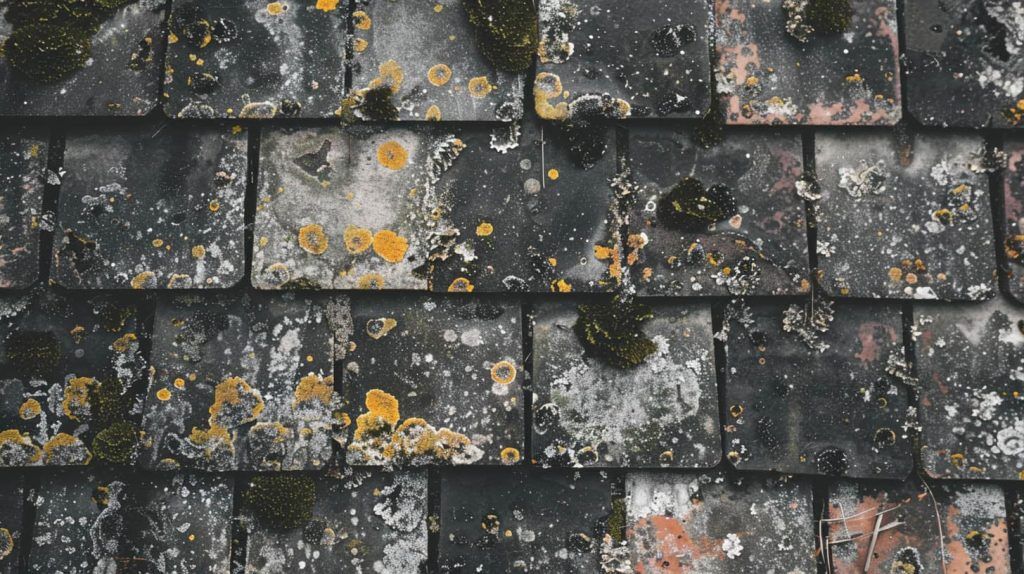
A well-ventilated roof is a cornerstone of a healthy, durable home. Beyond its primary role in protecting the structure from the elements, proper roof ventilation plays a pivotal role in preventing mold growth, a concern that can compromise both the integrity of a home and the health of its inhabitants. This comprehensive guide explores the critical relationship between roof ventilation and mold prevention, offering insights and solutions for homeowners.
The Science of Mold Growth and Prevention
Mold thrives in environments where moisture, warmth, and lack of airflow converge. In many homes, the attic becomes a prime location for mold development due to inadequate ventilation. Moisture generated within the home from daily activities such as cooking, laundry, and showering rises to the attic, where it can condense and create an ideal habitat for mold.
The Role of Roof Ventilation
Effective roof ventilation ensures a continuous flow of air through the attic, removing excess moisture before it can condense and contribute to mold growth. This not only helps in maintaining the structural integrity of the roof but also in preserving indoor air quality, protecting residents from potential health issues associated with mold exposure.
Strategies for Optimal Roof Ventilation
Assessing Current Ventilation
The first step in ensuring adequate roof ventilation is to assess the current state of your attic’s airflow. This involves inspecting for signs of moisture accumulation, checking existing vents for blockages, and evaluating the overall design of the attic ventilation system.
Implementing Solutions
Depending on the findings, various solutions can be implemented to enhance ventilation:
-
Adding or Upgrading Vents: Incorporating additional vents, such as soffit, ridge, or gable vents, can significantly improve air circulation in the attic.
-
Ensuring Balanced Airflow: For ventilation to be effective, there must be a balance between air intake (usually through soffit vents) and air exhaust (through ridge or gable vents). This balance ensures a steady, effective flow of air through the attic.
-
Addressing Insulation: Proper insulation plays a complementary role in roof ventilation by helping to regulate attic temperatures and prevent moisture migration from the living spaces below.
The Benefits of Metal Roofing
In the context of mold prevention and roof ventilation, metal roofing stands out for its inherent advantages. Metal roofs not only provide superior durability and weather resistance but also facilitate better attic ventilation due to their design and installation techniques. Resolve Roofing, located in Columbia, MO, specializes in metal roofing solutions that are engineered to enhance ventilation and prevent moisture accumulation, thereby mitigating the risk of mold growth.
Conclusion
Proper roof ventilation is essential not only for the longevity of the roof itself but also for the overall health and safety of the home environment. By understanding the dynamics of air flow and moisture control within the attic, homeowners can take proactive steps to prevent mold growth and ensure a healthy living space. Whether through upgrading ventilation systems or opting for roofing materials that support better airflow, the goal remains clear: to maintain a home that is as healthy as it is beautiful.
