
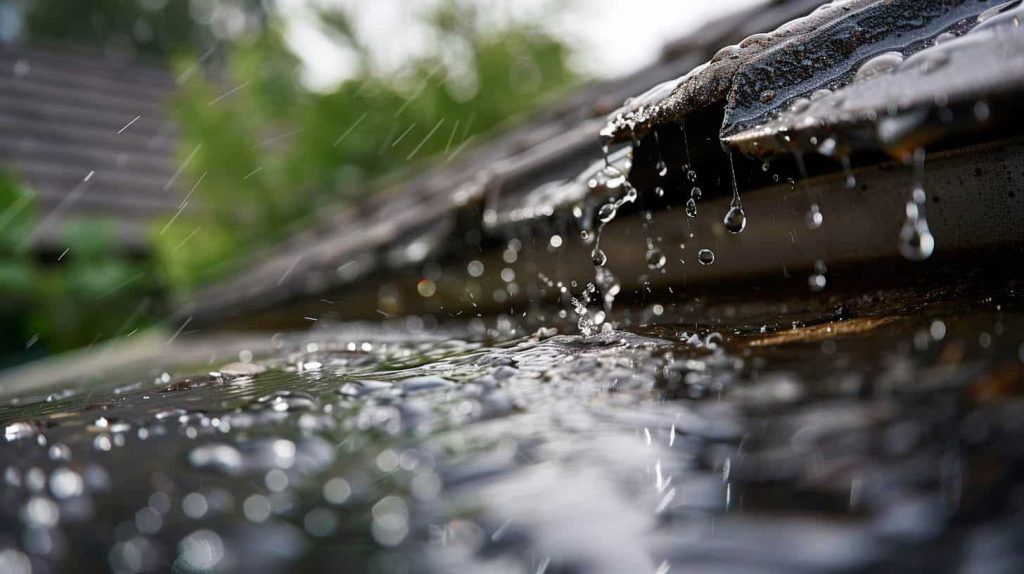
Discovering a roof leak can be unsettling, signaling potential damage to your home’s structure and interior. However, with the right approach, identifying and addressing these leaks can be straightforward. This guide delves into the essential steps for locating roof leaks, ensuring your home remains secure and dry.
The Importance of Swift Leak Detection
Promptly identifying and fixing roof leaks is crucial. Delayed action can lead to extensive damage, affecting your home’s structural integrity and leading to costly repairs. Early detection allows for immediate remediation, preserving your home’s condition and preventing further issues.
Initial Signs of Roof Leaks
Roof leaks manifest through various indicators within your home. Recognizing these early signs is key to preventing extensive damage:
-
Water Stains on Ceilings and Walls: These marks are often the first indication of a leak, signaling water penetration from the roof.
-
Damp Spots Along Walls and Ceilings: Unexplained moisture in these areas can indicate a leak, especially if it correlates with adverse weather conditions.
-
Mold and Mildew Growth: The presence of mold or mildew, particularly in unusual places, can be a sign of excess moisture from a leak.
-
Musty Odors: Persistent damp, musty smells in certain areas of your home, especially the attic, can indicate lingering moisture from a leak.
Exterior Inspection for Leak Sources
After identifying potential interior signs of a leak, inspecting the exterior of your roof is the next step. Look for:
-
Damaged or Missing Shingles: Compromised shingles can allow water to penetrate the roof, leading to leaks.
-
Faulty Seals Around Vents and Chimneys: These areas are common sources of leaks due to failed seals or flashing.
-
Clogged or Damaged Gutters: Gutters play a crucial role in directing water away from your roof. Blockages or damage can lead to water backup and potential leaks.
Advanced Detection Techniques
When initial inspections don’t reveal the leak’s source, more sophisticated methods may be necessary:
-
Water Hose Test: Carefully applying water to the roof with a hose can help isolate the leak. This method requires patience and precision to avoid further water damage.
-
Infrared Thermal Imaging: This technology can detect variations in temperature caused by moisture, pinpointing the leak’s location without invasive measures.
Professional Assessment and Repair
While DIY methods can be effective for minor leaks, complex or hard-to-find leaks often require professional intervention. Roofing experts, such as Resolve Roofing in Columbia, MO, have the tools and expertise to accurately diagnose and repair roof leaks, ensuring a comprehensive solution.
Preventive Measures
Preventing roof leaks begins with regular maintenance and inspections. Annual checks, especially after severe weather, can identify potential issues before they lead to leaks. Keeping gutters clean and ensuring flashing is intact are also key preventive steps.
Conclusion
Identifying and addressing roof leaks promptly is essential to maintaining your home’s integrity and comfort. By recognizing early signs, conducting thorough inspections, and seeking professional assistance when needed, you can protect your home from the damaging effects of water intrusion. Remember, preventive maintenance is your best defense against roof leaks, ensuring your home remains safe and dry for years to come.
