
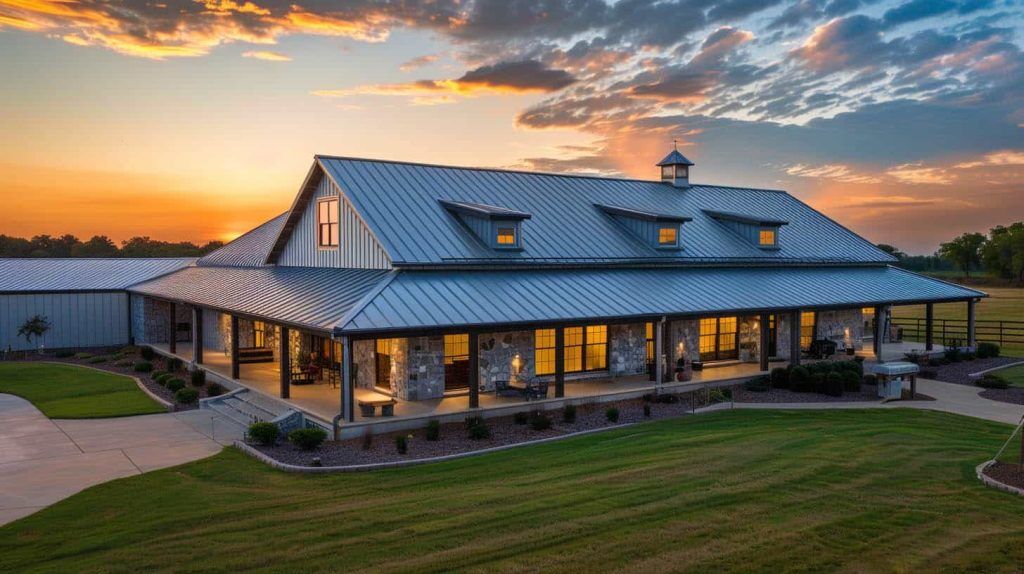
The debate surrounding metal roofs and their relationship with lightning is a topic shrouded in myth and misconception. Despite the increasing adoption of metal roofing for its durability, energy efficiency, and aesthetic appeal, concerns about its conductive nature leading to a higher likelihood of lightning strikes persist. This article aims to clarify these misconceptions, backed by scientific understanding, and provides homeowners with the knowledge needed to make informed decisions about roofing materials.
The Science Behind Lightning Strikes
Lightning is a natural electrical discharge of very short duration and high voltage between a cloud and the ground or within a cloud. The common belief that metal roofs attract lightning stems from a basic understanding of electricity—metals are good conductors. However, the truth about lightning attraction is more about location, height, and isolation than the material.
Key Factors Influencing Lightning Strikes
-
Height: Taller structures are more likely to be struck by lightning due to their proximity to the cloud base.
-
Isolation: An object standing alone, such as a tree in an open field, is more susceptible to lightning strikes.
-
Pointy Shape: Sharp points can concentrate electrical charges, making them more likely to initiate a lightning strike.
Metal roofs do not inherently attract lightning more than other roofing materials. The primary determinant of lightning strikes is the structure’s elevation and geographical location, not the materials from which it is made.
Metal Roofs: Safety and Misconceptions
Contrary to popular belief, metal roofs offer several advantages that can enhance a building’s safety during a lightning storm:
-
Non-Combustibility: Metal roofs are non-combustible and have a Class A fire rating, the highest available. In the event of a lightning strike, a metal roof is less likely to catch fire compared to traditional roofing materials.
-
Energy Dissipation: While metal conducts electricity, it also dissipates the energy safely throughout the structure, reducing the risk of concentration at a single point that could lead to ignition.
-
Insurance Considerations: Many insurance providers recognize the safety features of metal roofs, including their fire resistance and durability. Contrary to the myth that insurance rates are higher for metal-roofed properties, homeowners may actually qualify for reduced premiums.
Enhancing Safety with Lightning Protection Systems
For homeowners concerned about lightning, installing a lightning protection system can offer peace of mind, regardless of roofing material. These systems, which include lightning rods, conductors, and ground electrodes, are designed to safely redirect lightning strikes away from the structure, minimizing the risk of damage.
Considerations for Lightning Protection:
-
Professional Installation: Lightning protection systems should be installed by qualified professionals to ensure effectiveness and compliance with safety standards.
-
Regular Maintenance: Like all safety systems, lightning protection requires periodic inspections to maintain its protective capabilities.
-
Integration with Metal Roofs: When combined with the conductive properties of metal roofs, lightning protection systems offer an added layer of security, making them an ideal pairing for maximizing safety.
Conclusion
The notion that metal roofs attract lightning is a myth that lacks scientific support. In reality, metal roofing provides numerous benefits, including enhanced safety features that make it an excellent choice for homeowners. By understanding the factors that influence lightning strikes and considering the installation of a lightning protection system, individuals can enjoy the advantages of metal roofing without undue concern for lightning-related risks. For those seeking expert advice and installation services, Resolve Roofing in Columbia, MO, stands ready to assist with all your roofing needs, ensuring your home is both beautiful and secure.
