
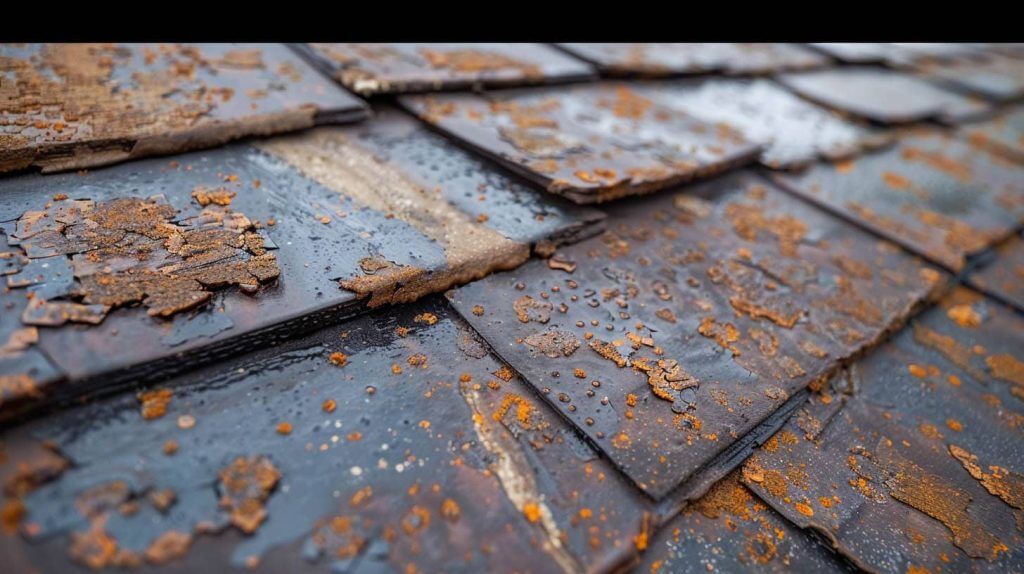
In the quest for a pristine roof, homeowners often grapple with the decision of whether to use bleach for cleaning asphalt shingles. The concern primarily lies in the potential chemical damage that could undermine the roof’s structural integrity. This article aims to provide a comprehensive analysis of using bleach on asphalt shingles, highlighting safe practices and alternative cleaning methods to ensure the longevity and aesthetic appeal of your roof.
Understanding the Chemical Dynamics of Bleach on Roofing Materials
The application of bleach, specifically in a diluted form, has been a common practice for eradicating moss, algae, and stubborn stains from roof surfaces. The effectiveness of bleach in maintaining the cleanliness of asphalt shingles cannot be understated, provided it is used with caution. The key to preventing damage lies in adhering to the recommended dilution ratios and application techniques that protect the roof’s granular surface.
The Risks Associated with Bleach
While bleach can serve as a potent cleaning agent, its chemical properties, particularly sodium hypochlorite, pose risks to asphalt shingles:
-
Asphalt Degradation: Prolonged exposure to bleach can weaken the asphalt binder of shingles, leading to granule loss and compromised roof integrity.
-
Discoloration: Bleach may cause uneven bleaching or streaking on shingles, detracting from the roof’s visual appeal.
-
Metal Corrosion: The corrosive nature of bleach can damage metal roof components, increasing the risk of leaks.
-
Landscaping Damage: Careless application or runoff can harm surrounding vegetation and landscape features.
Implementing Safe Practices
To mitigate these risks, homeowners should:
-
Dilute Bleach Properly: A 50/50 mix of bleach and water is generally recommended to balance efficacy with safety.
-
Use Protective Gear: Wearing rubber gloves and eye protection is essential to avoid personal harm.
-
Avoid High-Pressure Washing: This method can dislodge granules, further damaging the shingles.
Alternative Roof Cleaning Solutions
Recognizing the potential hazards of bleach, exploring safer cleaning alternatives is advisable for preserving asphalt shingles.
Eco-Friendly Cleaners
Non-bleach, environmentally friendly options are available that effectively remove unwanted growths without compromising shingle integrity. These solutions, when applied with a soft-bristle brush, offer a gentle yet effective cleaning method.
Vinegar: A Natural Alternative
Vinegar, known for its natural cleaning properties, presents a milder option for roof maintenance. A solution of equal parts water and vinegar can address buildup without the harsh effects of bleach, although caution is advised to prevent damage to the protective granules.
Best Practices for Asphalt Shingle Maintenance
Maintaining the condition of asphalt shingles extends beyond cleaning to include regular inspections and preventative measures:
-
Annual Inspections: Early detection of potential issues can prevent costly repairs.
-
Debris Removal: Keeping shingles clear of leaves and branches helps maintain their condition.
-
Gutter Maintenance: Clear gutters prevent water buildup that could damage the roof’s edge.
-
Proper Ventilation: Ensuring adequate attic ventilation prevents heat and moisture buildup, which can degrade shingles over time.
Resolve Roofing, located in Columbia, MO, emphasizes the importance of these maintenance practices. By adopting a proactive approach to roof care, homeowners can significantly extend the life of their asphalt shingle roof, ensuring it continues to protect the home effectively.
Conclusion
The decision to use bleach for cleaning asphalt shingles should be made with a thorough understanding of the potential risks and benefits. By following recommended practices and considering alternative cleaning methods, homeowners can maintain the aesthetic and structural integrity of their roofs. Regular maintenance, coupled with informed cleaning choices, will safeguard the longevity of your asphalt shingle roof, ensuring it remains a durable and attractive feature of your home.
