
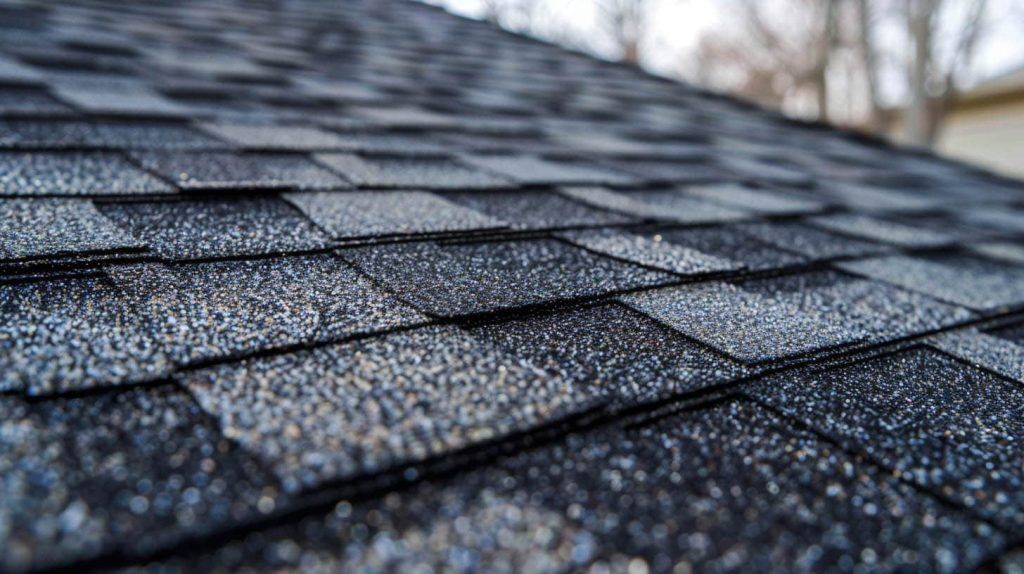
Asphalt shingles, a staple in residential roofing due to their affordability and resilience, undergo a critical sealing process post-installation. This process is pivotal for the shingles’ ability to resist wind uplift and prevent water ingress, ensuring the longevity and integrity of the roofing system. The duration for asphalt shingles to fully seal is influenced by a myriad of factors, including environmental conditions and the physical characteristics of the roof itself.
Understanding the Sealing Process
The sealing of asphalt shingles is facilitated by a strip of sealant applied to their underside. This sealant requires activation, typically through the application of heat, to bond the shingles together firmly. The effectiveness of this bonding process is contingent upon several environmental and installation-specific factors.
Key Factors Influencing Sealing Time
-
Ambient Temperature: The sealant’s activation is highly dependent on temperature. Optimal conditions require temperatures to be consistently above 40°F (4°C), with the ideal range being between 50°F to 70°F (10°C to 21°C). Under these conditions, the sealant becomes tacky and effective in bonding the shingles together.
-
Sunlight Exposure: Direct sunlight accelerates the sealing process by warming the shingles and activating the sealant more efficiently. The amount of sunlight exposure, therefore, significantly impacts the time required for shingles to seal.
-
Roof Slope and Orientation: The angle and orientation of the roof affect how much sunlight it receives and, consequently, how quickly the shingles seal. South-facing roofs and those with steeper slopes generally seal faster due to increased sunlight exposure.
Timeline for Sealing
The timeline for asphalt shingles to seal can vary. Under ideal conditions, with ample sunlight and optimal temperatures, shingles may begin to seal within hours of installation. However, in cooler climates or during seasons with less direct sunlight, the process can extend to several days or even weeks.
Immediate Post-Installation Period
Immediately following installation, it is crucial for the newly laid shingles to remain undisturbed to allow the sealant to activate and bond effectively. This period is critical for ensuring the shingles are properly anchored and capable of withstanding environmental stressors.
Long-Term Sealing and Maintenance
Over time, shingles may require re-sealing, especially if they have been disturbed or if the sealant has degraded. Regular inspections can identify areas where the sealant may need to be reapplied to maintain the roof’s integrity.
Professional Installation and Care
For optimal sealing and performance, professional installation is paramount. Experienced roofing contractors, such as Resolve Roofing located in Columbia, MO, understand the nuances of shingle installation and the conditions necessary for effective sealing. They ensure that shingles are laid correctly and that the roof is primed to facilitate the sealing process efficiently.
Conclusion
The sealing of asphalt shingles is a nuanced process influenced by environmental conditions, installation practices, and the physical attributes of the roof. Understanding these factors is crucial for homeowners to ensure their roof is capable of providing long-term protection against the elements. Regular maintenance and professional installation are key to maximizing the lifespan and effectiveness of asphalt shingle roofs.
