
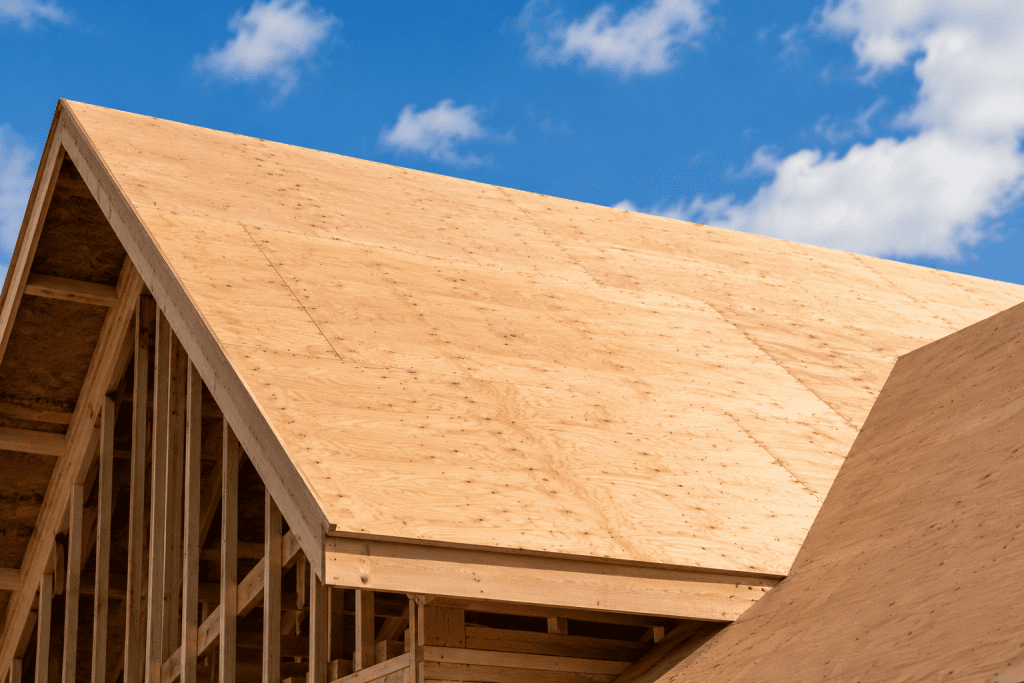
Replacing roof decking is often necessary to prepare for a long-lasting roof system, especially for homeowners in Columbia, MO, dealing with storm damage, moisture problems, or aging roofs. If roof decking becomes soft, rotted, or structurally weak, installing new asphalt shingles alone may not fully protect the home. Replacing damaged decking helps create a stable foundation that supports proper drainage, stronger roofing performance, and longer roof lifespan.
Many homeowners focus on shingles during a roof replacement project, but the decking underneath plays an equally important role. Columbia weather can bring heavy rain, hail, humidity, and temperature swings throughout the year, all of which may gradually weaken roof decking over time. Addressing hidden structural issues before installing new roofing materials helps reduce the risk of future leaks and premature roof failure.
What Is Roof Decking?
Roof decking is the wood surface installed between the structural framing of the roof and the roofing materials. It acts as the foundation that supports shingles, underlayment, flashing, and other roofing components.
Most homes use one of the following materials for roof decking:
- Plywood
- OSB (oriented strand board)
- Older plank-style wood decking
The decking attaches directly to roof rafters or trusses and helps distribute weight evenly across the roof system. Without solid decking, roofing materials may struggle to perform correctly during severe weather conditions.
Why Roof Decking Is Critical for Roof Performance
Roof decking affects nearly every part of the roofing system. When the decking weakens, the roof itself becomes more vulnerable to leaks, wind damage, and structural instability.
Strong roof decking helps support:
- Proper shingle attachment
- Water resistance
- Roof ventilation
- Structural durability
- Long-term energy efficiency
In Columbia, MO, roofs must handle seasonal storms, humidity, snow, and changing temperatures. Weak decking can make these weather-related stresses even more damaging
Signs Your Roof Decking May Need Replacement
Some roof decking damage is obvious, while other problems remain hidden until the roof is removed during replacement.
Sagging Roof Areas
A roof that appears uneven or droopy may indicate structural weakening beneath the shingles. Moisture-damaged decking can soften over time and begin to sag under the weight of roofing materials.
Sagging sections should always be inspected quickly to prevent more extensive structural problems.
Soft Spots on the Roof Surface
Contractors often notice soft or spongy sections while walking on older roofs. This usually means moisture has penetrated beneath the shingles and weakened the decking underneath.
Soft decking may no longer hold roofing nails securely, increasing the risk of loose shingles during storms.
Persistent Roof Leaks
Repeated leaks often cause long-term damage to the decking below the roof surface. Even small leaks near flashing, chimneys, or roof valleys can gradually rot the wood over time.
Many Columbia homeowners may not realize how much hidden damage exists until a roof replacement project begins.
Attic Moisture and Mold
Signs inside the attic may also point to decking problems, including:
- Water stains
- Mold growth
- Damp insulation
- Musty odors
- Cracked or rotting wood
These symptoms often indicate prolonged moisture exposure affecting the roofing structure.
Learn more about the layers of a roof here: The Layers of a Roof Explained: From Deck to Shingle
Replacing Roof Decking Before Installing New Roofing Materials
Installing new shingles over damaged decking can create major long-term problems. Roofing materials perform best when installed over a stable, dry, and structurally sound surface.
Replacing Roof Decking Helps Prevent Future Problems
Damaged decking may eventually lead to:
- Premature roof failure
- Interior water damage
- Loose shingles
- Reduced wind resistance
- Mold growth
- Structural deterioration
By replacing compromised sections before installing new materials, homeowners create a stronger foundation for the entire roofing system.
Manufacturer Warranty Considerations
Many roofing manufacturers require structurally sound decking for warranty compliance. If damaged wood is left in place, warranty coverage could potentially become limited.
Professional roofing contractors often inspect the decking carefully during tear-off to ensure the new roofing system meets installation standards.
How Columbia, MO, Weather Affects Roof Decking
Roof decking in Columbia faces several environmental challenges throughout the year.
Heavy Rain and Storm Damage
Missouri storms can produce strong winds, hail, and heavy rainfall that damage shingles and flashing. Once moisture reaches the decking, rot and structural weakening may begin.
Storm-related roof leaks are one of the most common causes of decking replacement.
Humidity and Moisture Exposure
Humidity levels during Missouri summers can contribute to attic condensation and trapped moisture beneath roofing materials. Over time, excess moisture may weaken wood decking from underneath.
Proper ventilation helps reduce this risk significantly.
Winter Snow and Ice
Snow accumulation and freeze-thaw cycles may place additional stress on older roofing systems. Ice dams and trapped moisture can allow water to seep beneath shingles and damage decking materials.
Homes with aging roofs are especially vulnerable during winter weather.
Common Areas Where Decking Damage Is Found
Roof decking damage rarely develops evenly across the entire roof. Certain areas are more vulnerable than others.
Roof Valleys
Roof valleys direct large amounts of rainwater during storms. Worn shingles or damaged flashing in these areas often allow water intrusion beneath the roofing surface.
Around Chimneys and Skylights
Roof penetrations create common leak points. Flashing failures around chimneys, vents, and skylights frequently lead to hidden decking damage nearby.
Roof Edges and Eaves
Poor drainage or clogged gutters may cause water to back up near the roof edges. This often results in rotting wood along the eaves.
Previous Repair Areas
Older patch jobs sometimes trap moisture underneath shingles. Contractors often uncover damaged decking around areas that were repaired improperly in the past.
The Roof Decking Replacement Process
Roof decking replacement is typically completed during a full roof replacement project.
Removing the Existing Roof
Contractors first remove shingles, underlayment, and roofing materials to expose the decking underneath.
Inspecting the Decking and Structure
The roof deck is carefully inspected for:
- Rot
- Water damage
- Warping
- Mold growth
- Structural weakness
- Loose fasteners
This inspection helps determine which sections need replacement.
Installing New Decking Panels
Damaged sections are removed and replaced with new wood panels that meet modern building code requirements.
Once the new decking is secure, roofing contractors install:
- Underlayment
- Ice and water barriers
- Flashing
- Ventilation components
- New shingles or roofing materials
This layered system helps create long-term protection against weather and moisture intrusion.
The Importance of Proper Roof Ventilation
Ventilation plays a major role in preserving roof decking lifespan.
Without proper attic airflow, trapped heat and moisture may gradually damage the decking from below. This problem is especially common during humid Missouri summers.
Benefits of Balanced Roof Ventilation
Good ventilation may help:
- Reduce attic moisture
- Prevent condensation buildup
- Lower attic temperatures
- Reduce mold risks
- Extend roofing material lifespan
A complete roof replacement project often includes evaluating ventilation systems to improve overall roof performance.
Older Homes May Require Additional Structural Attention
Many older Columbia homes contain aging roofing systems that may already have hidden structural concerns.
Older decking materials may include:
- Plank-style decking
- Multiple roofing layers
- Warped wood
- Outdated installation methods
During roof replacement projects, contractors sometimes uncover years of hidden moisture damage beneath older roofing materials.
Replacing deteriorated decking helps improve both structural integrity and long-term roofing performance.
Preparing for a Long-Lasting Roof System
Roof shingles alone cannot protect a home if the structure beneath them is compromised. Strong decking creates the foundation needed for proper roofing performance, especially in areas exposed to severe weather and moisture fluctuations.
Replacing damaged decking before installing a new roof may help homeowners improve:
- Structural stability
- Leak resistance
- Energy efficiency
- Roof lifespan
- Overall home protection
Ignoring hidden decking problems often leads to more expensive repairs later.
Protect Your Columbia, MO, Home With a Stronger Roofing Foundation
Replacing roof decking is an important step in creating a strong, reliable, and long-lasting roofing system. For homeowners in Columbia, MO, addressing hidden moisture damage and structural concerns before installing new roofing materials can help reduce future problems and improve overall roof performance.
If your roof has experienced storm damage, persistent leaks, sagging areas, or signs of moisture intrusion, scheduling a professional inspection with Resolve Roofing may help determine whether roof decking replacement is necessary before your next roof installation project.
